
Picking the right yoga outfit can feel daunting if you’re new to the practice. Yoga has become a popular way to meditate and stay healthy. Your choice of yoga clothes can make a big difference in your practice, and that’s why picking the right outfit matters so much.
Many yoga clothes use polyester-nylon-spandex blends, and with good reason too – these fabrics give you the perfect mix of comfort, breathability, and flexibility. Smart yogis look for sweat-wicking clothes that let them move freely. These usually come in stretchy fabrics like Lycra or Spandex. The right leggings can transform your workout. They should feel comfy, move with you, and never become see-through. Your yoga clothes need at least 15 percent spandex to handle all those different poses.
This piece covers everything you need to know about yoga clothes. From basic items to fabric choices, you’ll learn what works best. Soon you’ll feel ready and confident for your first downward dog.
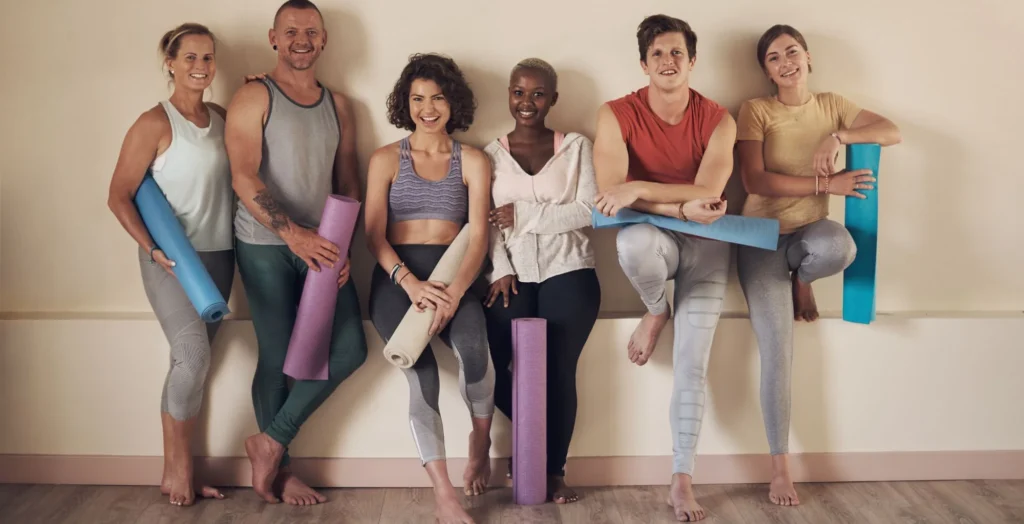
What to Look for in Yoga Clothes
Your yoga practice starts with picking the right clothes. The clothes you choose will affect how well you can move through poses and stay focused during class. A good choice of outfit can mean the difference between an enjoyable practice and a difficult one.
Comfort and fit matter most
Comfort is the life-blood of what you should wear to yoga class. Your yoga clothes need to feel like a second skin – they shouldn’t distract you by being too tight or get in your way by being too loose. You’ll want garments that give you a snug yet comfortable fit. These should let you move freely while staying put during inversions and transitions. High-waisted bottoms and slim-fitting tops work best since they won’t move around during positions like downward dog.
Stay away from clothes that make you itch, chafe, or need constant fixing. Small things like scratchy seams or tags can break your concentration. A proper fit lets you focus on your form instead of worrying about wardrobe issues or exposure during deep stretches and bends.
Why breathability is essential
Breathability stands out as one of the key factors in choosing yoga wear. Your body heats up and sweats during practice, especially in vigorous or hot yoga classes. Fabrics that breathe well allow air to flow, so you won’t feel stuck in damp clothing.
Fabrics that pull moisture away from your skin help you stay comfortable throughout class. Non-breathable materials trap sweat against your body and create perfect conditions for bacteria to grow, which leads to bad smells. That’s why experts tell you to avoid cotton for sweaty workouts. It “holds moisture, makes you feel hot and damp, then leaves you prone to chafing or getting chilled” after class.
Science backs this up – studies show synthetic shirts keep body temperature lower than cotton ones during longer workouts. Temperature control becomes extra important during flow sequences that quickly raise your heart rate.
Stretch and flexibility in fabric
Yoga’s dynamic nature calls for clothes with excellent stretch. Good elastic properties mean your clothes can stretch fully without tearing, pulling, or losing their shape. Your clothes must allow complete mobility, especially for complex poses with deep stretches or twists.
Most yoga clothes contain spandex (also called elastane) or Lycra, usually 10-15%, which gives excellent flexibility and helps clothes fit your body without limiting movement. This elasticity lets you move naturally between poses without fabric resistance.
Fabrics that stretch in four directions ensure they move with you without losing shape over time. You should think over materials that offer this level of elasticity and recovery when choosing yoga clothes.
Avoiding cotton and heavy materials
Cotton might feel soft and comfortable, but it creates several issues during yoga practice. It soaks up 27 times its weight in water, which makes it bad at handling sweat. Cotton absorbs perspiration instead of wicking it away during workouts, leaving you feeling damp, heavy, and uncomfortable.
Wet cotton sticks to your skin, limits movement, and feels uncomfortable. More than that, cotton fibers become rough when wet and can irritate your skin and cause chafing. This becomes a real issue in high-friction areas like underarms and thighs.
You might want to try moisture-wicking synthetic blends or natural options like bamboo instead of cotton. Bamboo breathes well, absorbs moisture, and dries fast. Hemp offers another eco-friendly choice that handles moisture well while keeping its shape.
The best fabrics for yoga will support your body, let you move freely, and handle sweat well – so you can focus on your practice rather than your clothes.
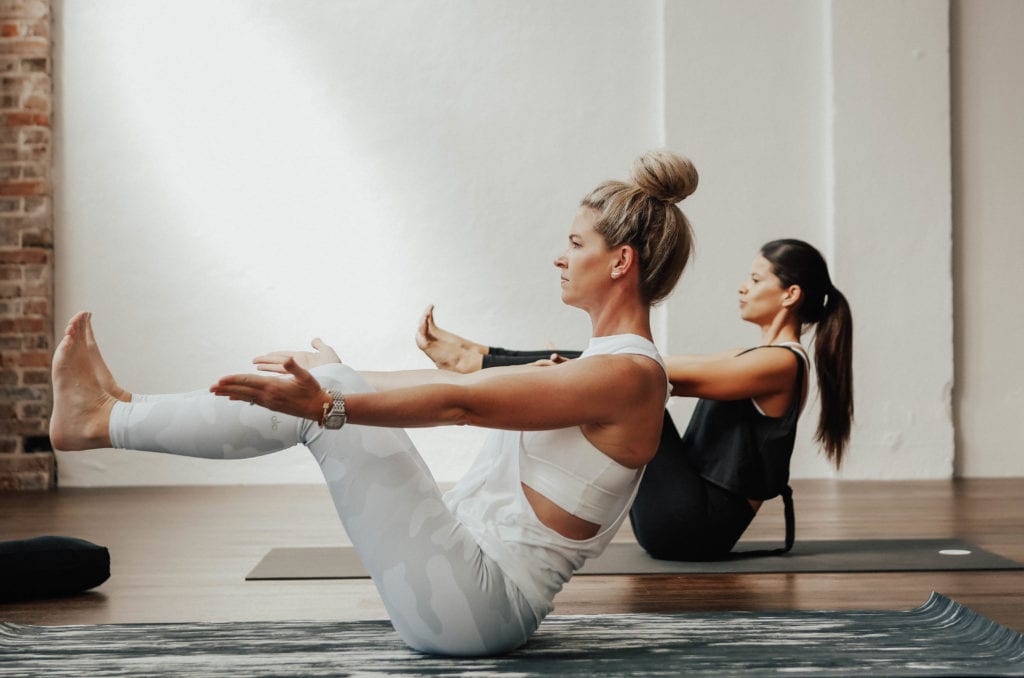
Essential Yoga Clothing Items
You need to build your yoga wardrobe after picking the right fabrics. The right clothes will make you comfortable and help you move better on the mat.
Yoga pants vs. leggings: what’s the difference?
People often mix up yoga pants and leggings, but they’re quite different. Yoga pants are made for exercise with special features like moisture-wicking fabric, stretchy material, and wide waistbands that don’t slip during workouts. Leggings are usually thinner and less supportive since they were first made as a warm layer under other clothes.
These clothes differ in thickness, function, and design. Yoga pants have stronger seams, higher waistbands, and a snug fit that supports your movements. They’re made from thicker, tougher materials – usually a mix of nylon, polyester, and spandex that stretches and handles sweat well. They cost more but last longer and cover you better during tough sessions.
Choosing the right yoga top
A good yoga top stays put no matter what pose you’re in. Fitted tops won’t fall over your head when you bend forward. Here’s what makes a great yoga top:
- A fit that’s snug but lets you move freely
- Fabrics that handle sweat and let your skin breathe
- Smooth seams that don’t rub
- No scratchy tags or annoying features
Different yoga styles need different tops. Hot yoga fans often wear small tank tops or crop tops to stay cool. Power yoga and vinyasa flow work better with athletic cuts and sweat-wicking fabrics. Slower practices like yin yoga put comfort first, ahead of performance features.
Supportive sports bras for different yoga styles
Sports bras are must-haves for comfortable practice. The support you need changes with your yoga style:
- Low Impact (Yin/Restorative): Light, simple bras work fine
- Medium Impact (Hatha/Basic Flow): Racerback styles with some compression
- Higher Impact (Power/Vinyasa): More structure helps with twists and inversions
Many yoga lovers go for super-soft, light sports bras with pretty strap designs that look good and work well. Some people wear just sports bras in hot yoga classes. Stay away from bras with uncomfortable clasps or wires that might hurt during floor poses.
When to wear yoga shorts
Shorts work great in certain situations, especially hot yoga. They keep you cool when the room hits about 100°F. But shorts aren’t always the best choice, even in the heat.
Think about coverage when you’re upside down. Many people like longer shorts that reach mid-thigh to avoid riding up. Compression or biker shorts with a 5-8 inch inseam work well too – they stay put during bends and twists.
Do you need yoga socks?
Most people do yoga barefoot to grip the mat better and feel more connected to the ground. But non-slip yoga socks can be helpful:
They give extra grip on slippery mats or studio floors. These socks create a clean barrier in shared spaces to protect against germs. They also help with balance poses and can make people with poor circulation more comfortable.
What about underwear?
Your underwear choice makes a big difference in yoga. Look for breathable, sweat-wicking materials that keep you dry. Natural fibers like cotton in sensitive areas help you stay fresh.
Skip cheeky styles or thongs – they move around too much during stretches. Full coverage underwear that stays in place works better. You want seamless styles or minimal seams to prevent rubbing during repeated movements.
Both men and women need underwear that won’t distract them. Some people skip underwear with tight yoga pants to avoid visible lines and irritation.
What to Wear to Hot Yoga
Hot yoga creates unique challenges with its extreme temperatures of 100-105°F and 40% humidity. You’ll just need specific clothing beyond standard yoga attire to stay comfortable and perform your best.
Best fabrics for high heat
Fabric choice makes all the difference in hot yoga. Moisture-wicking synthetic blends work best to handle heavy sweating. Polyester-spandex and nylon-spandex combinations pull sweat away from your skin and let it evaporate quickly.
Cotton ranks as the absolute worst choice for hot yoga. It soaks up to 27 times its weight in water and becomes heavy and clingy as you progress through class. Your body heat gets trapped and creates uncomfortable friction when you move.
The best options are garments labeled “quick-dry” or those with mesh panels that boost airflow. Many hot yoga enthusiasts love fabrics made from recycled water bottles—these are surprisingly light and breathable.
Why shorts aren’t always the best choice
Shorts might seem perfect at first glance, but they come with unexpected challenges. Your legs can get slippery with sweat, which makes balance poses like tree pose extra tricky.
Loose shorts often show more than you’d like during inversions or wide-legged positions. Fitted styles with 5-7 inch inseams stay put throughout your practice. High-waisted compression shorts give you both modesty and support.
Tops that help you stay cool
Tank tops and sports bras work best in hot yoga environments. Many yogis prefer wearing just a sports bra that wicks away moisture. A fitted crop top or tank provides more coverage without fabric falling over your face in inversions.
Loose tops cause problems as they move around and get waterlogged. The best options have strategic mesh panels or ventilation zones that maximize airflow across your back and shoulders.
Accessories to manage sweat
These essential accessories help handle the inevitable sweating:
- A microfiber yoga towel over your mat stops slipping when sweat builds up
- A small hand towel keeps sweat out of your eyes during practice
- A water bottle is essential—you should finish it during class
Here’s a valuable tip: pack a change of relaxed-fit clothes. Taking off sweaty garments right after class feels better and helps prevent skin irritation.
Extra Layers and Accessories
Your yoga wardrobe needs more than just practice clothes. The right layers and accessories will boost your yoga experience inside and outside the studio.
Jackets and sweaters for before and after class
You need good outerwear to handle temperature changes before and after yoga class. Your body temperature shifts after an intense session, so you’ll want a comfortable layer nearby. Light windbreaker-style jackets give you that athletic-plus look that works for many activities. Fleece pullovers are great too – they keep you warm without bulk and work perfectly in winter months.
Thumbhole sweatshirts make a practical choice since they keep your hands covered while letting you move freely. You can pick between hooded and non-hooded styles based on your needs. Hooded jackets work best in cold weather, while non-hooded ones are perfect for spring and fall.
These extra layers become valuable when you leave a heated yoga room. As one source notes, “Extra layers can prevent the immediate chill you’ll likely experience after leaving the warm room”. Look for versatile pieces that work well both in and out of the studio.
Slip-on shoes for easy transitions
Yoga is practiced barefoot, but you still need proper footwear to get to and from class. The factual keypoints don’t mention specific information about slip-on shoes for yoga transitions.
Hair ties, headbands, and other small essentials
Hair management is a vital part of your yoga outfit that people often overlook. Good hair accessories combine style and function to keep your hair in place during practice.
Headbands do multiple jobs – they control frizz, tame flyaways, and keep hair out of your face in poses like downward dog. The best ones have velvet lining to prevent slips, moisture-wicking fabric for sweat, and Lycra to hold their shape. If you have silky hair, try headbands with non-slip grips for extra security.
Scrunchies blend style with function, like Alo’s three-pack that’s “mini but mighty”. Head wraps offer complete coverage and let you go straight from yoga to social events without missing a beat.
How to Care for Your Yoga Clothes
Taking good care of your yoga attire is a vital investment that extends its lifespan. Your yoga clothes’ specialized fabrics need specific maintenance to keep their functionality.
Washing tips to extend garment life
Turn yoga clothes inside-out before washing because bacteria and grime build up mostly on the inner surface. You should wash activewear after each use to stop sweat and bacteria from accumulating. Cold water and gentle cycle work best as “hot water and strong agitation can damage the fiber of your workout clothing and shorten its lifespan”.
A full load needs only 2 teaspoons of detergent. Too much detergent leaves residue on fibers and creates perfect conditions for bacteria to grow. Stubborn odors often disappear when you soak clothes in a 1:4 solution of distilled white vinegar and cold water for 15-30 minutes before washing.
Why you should avoid fabric softeners
Fabric softeners are maybe even the biggest enemies of yoga clothes. These products leave a waxy coating on technical fibers that traps odors and bacteria. This residue destroys your clothes’ moisture-wicking properties. Manufacturers include “do not use softeners” on garment tags specifically for this reason.
Air drying vs. machine drying
Air drying proves superior for yoga clothes without doubt. “Machine drying tends to set the odor into the fibers,” while hanging clothes maintains elasticity and prevents heat damage. The lowest heat setting works best if you need to use a dryer.
Dealing with post-class sweat and odor
Immediate post-class care makes the biggest difference in your clothes’ lifespan. Rinse sweaty clothes right away or hang them to dry before they go in the hamper. Damp activewear should never stay in a gym bag or hot car. Synthetic fibers tend to trap odor, so changing out of sweaty clothes quickly after class helps prevent lasting smells.
The right yoga clothes can affect your practice by a lot, especially when you’re just starting out. We’ve looked at how the perfect yoga outfit needs to blend function with comfort. Of course, you need to think about breathability, stretch, and fit—these work together to help rather than limit your movement.
Don’t chase trendy styles. Your focus should be on stretchy, moisture-wicking fabrics that let you move freely in all poses. Cotton might feel great for everyday wear, but it’s nowhere near ideal for yoga because it holds sweat and gets heavy during practice.
Without doubt, each yoga style needs its own clothing approach. People who do hot yoga need light, quick-drying gear, while those into gentler forms might want more coverage. All the same, you’ll need supportive sports bras, well-fitted bottoms, and tops that won’t ride up during inversions.
Taking good care of your yoga clothes makes them last longer. Just wash them inside-out in cold water, skip the fabric softeners, and let them air dry to keep their special features intact.
New yogis often stress too much about their outfits. The clothes should feel like a second skin, so you can focus on your practice instead of fixing your gear. Once you’ve got the right outfit backing your moves, you can dive deep into yoga’s physical and mental benefits from day one.
Here are some FAQs about what to wear to yoga:
How should you dress for your first yoga session?
For your first yoga session, you should wear breathable, stretchy, and comfortable clothing that allows for a full range of motion. A good starting point is to follow general advice on what to wear for yoga, which typically includes fitted but not restrictive tops and flexible pants. Avoid loose, baggy shirts that may fall over your head during inversions.
What kind of clothes do you wear for yoga?
The best clothes for yoga are made from moisture-wicking, breathable fabrics like polyester blends or bamboo, which keep you dry and comfortable. Standard attire includes leggings or fitted shorts and a snug tank top or t-shirt, which is the core of what to wear to yoga class. For hot yoga specifically, the focus on what to wear to hot yoga emphasizes minimal, lightweight, and sweat-resistant materials.
What are the don’ts of yoga?
Key don’ts of yoga include pushing your body into painful positions, comparing your progress to others, and holding your breath during poses. You should also avoid wearing restrictive or slippery clothing, which is why guidance on what to wear for yoga is important. It is also advised not to eat a heavy meal right before practicing.
Do you wear shoes when doing yoga?
No, you do not wear shoes when doing yoga; the practice is traditionally performed barefoot to improve grip, balance, and proprioception. Some practitioners may wear non-slip yoga socks if necessary, but standard footwear is not used. This is a universal rule regardless of whether you are considering what to wear to hot yoga or a regular class.
What are the 8 rules of yoga?
The eight rules, or limbs, of yoga are known as Ashtanga and are outlined in Patanjali’s Yoga Sutras. They are Yama (ethical restraints), Niyama (personal observances), Asana (postures), Pranayama (breath control), Pratyahara (sense withdrawal), Dharana (concentration), Dhyana (meditation), and Samadhi (blissful absorption). These spiritual and ethical guidelines are distinct from practical advice like what to wear to yoga class.
Can I wear leggings to yoga?
Yes, you can and should wear leggings to yoga as they are the most common and practical choice for both men and women. They provide flexibility, coverage, and allow the instructor to see your alignment during poses. This applies to all styles, so when deciding what to wear for yoga, leggings are almost always a perfect option.
Why do people wear leggings to yoga?
People wear leggings to yoga because they are stretchy, non-restrictive, and stay in place during movement, including inversions and deep stretches. They are made from fabrics that wick away sweat, which is especially important for what to wear to hot yoga. Leggings also provide a full range of motion and modest coverage for various poses.
Are you barefoot for yoga?
Yes, you are almost always barefoot for yoga to ensure a secure connection with your mat and the floor for stability and balance. Being barefoot allows for better grip and helps in grounding your practice. This is standard for all environments, from a cool studio to a hot room where you’ve considered what to wear to hot yoga.
Is it necessary to wear a bra during yoga?
For most people, especially women, wearing a supportive sports bra is necessary during yoga for comfort and to minimize breast movement during physical activity. The level of support needed depends on the intensity of the practice and personal preference, a key part of deciding what to wear to yoga class. Many yoga tops have built-in bras, which can be a convenient option.