
People’s physical fitness determines how well they handle daily tasks without exhaustion or soreness. Research shows that only 24.2% of U.S. adults meet the recommended guidelines for both aerobic and muscle-strengthening activities. The benefits of consistent exercise go way beyond the reach and influence of having energy for daily routines. The U.S. Department of Health and Human Services recommends adults should get at least 150 minutes of moderate aerobic activity every week.
Exercise comes in many forms – from endurance workouts and targeted exercises to quick 15-minute cardio sessions. These activities substantially boost quality of life. Studies reveal that 110,000 deaths yearly could be prevented if U.S. adults aged 40 and older increased their moderate-to-vigorous physical activity. Regular workouts deliver oxygen and nutrients to tissues and help the cardiovascular system operate more efficiently. The benefits extend to better sleep quality, as people fall asleep faster and enjoy deeper rest. Busy professionals and entrepreneurs experience direct benefits through boosted productivity, sharper thinking, and better decision-making abilities.
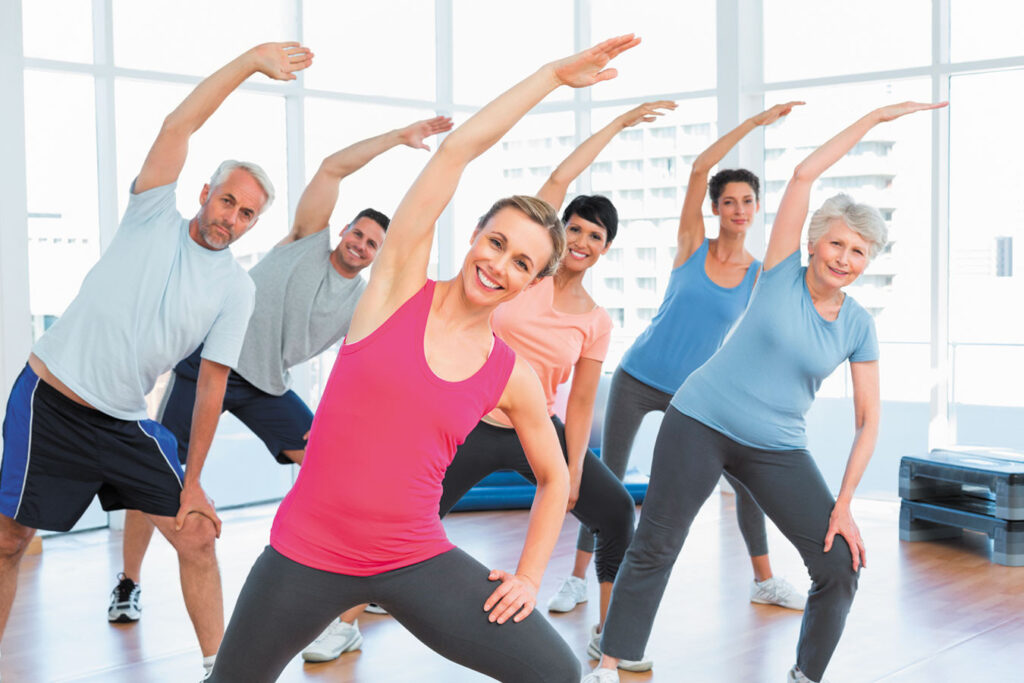
Daily fitness boosts your energy levels
Business professionals often face a strange situation. They feel too tired to exercise, yet they need physical activity to curb that same tiredness. This connection matters because fitness helps you handle daily tasks without getting exhausted or sore.
Research shows a striking difference between people who stay inactive and those who keep taking regular exercise. Physical activity can reduce tiredness by 65 percent and boost energy levels by 20 percent. This energy surge isn’t just in your head—it happens because of real changes in your body.
How movement increases oxygen flow
Your muscles need substantially more energy during physical activity than when they’re at rest. Your body responds with several changes to meet these higher demands.
Your breathing rate goes up as soon as you start moving—whether it’s a 15-minute cardio session or a longer workout. This faster breathing has a vital purpose: it gets more oxygen into your blood. Your heart works harder too. It pumps blood faster to your active muscles and sends oxygen-rich blood where your body needs it most.
Exercise creates remarkable changes in your cardiovascular system. Your heart pumps more blood as you work harder to meet your body’s needs. The blood vessels also adapt—they expand to deliver extra oxygen to muscles while removing waste products like carbon dioxide and lactic acid.
This improved oxygen flow offers a great advantage to entrepreneurs and executives with packed schedules. Better blood flow helps your brain too. It delivers more oxygen, which helps you stay alert and focused.
Why exercise reduces fatigue over time
Regular physical activity doesn’t just give you quick energy boosts. Your body gets better at making and using energy when you exercise consistently.
Regular activity makes your muscle cells produce more mitochondria. These tiny powerhouses turn glucose and oxygen into fuel, which gives your body more energy. Your body then learns to use this energy more efficiently.
The largest longitudinal study showed that exercise reduces tiredness by a small amount (g = -0.374) while increasing energy by a small-to-moderate amount (g = 0.415). Light exercise worked better at reducing tiredness (65%) compared to moderate exercise (49%). This means even gentle movement helps fight fatigue—perfect if you have a busy schedule.
What types of exercise are most effective to boost energy?
- Low-intensity activities like walking or gentle yoga (works best when you’re already tired)
- Aerobic exercises that strengthen the heart and lungs
- Brief, consistent sessions (even 10-minute walks can help)
Exercise duration plays a key role. Studies show that tiredness levels improve the longer you stick with exercise training. While this might seem odd, the energy you spend during exercise pays off through better energy production systems.
Business professionals can use this knowledge to their advantage. Instead of reaching for another coffee during afternoon slumps, a quick walk might give you lasting energy while building your stamina over time.
It helps you manage stress and feel better
Physical activity does more than boost energy levels. It’s a powerful tool to manage stress—a vital skill for achievement-oriented professionals today. Business leaders who understand how exercise reduces stress have a compelling reason to make fitness their priority.
Mood-boosting brain chemicals
Your mental resilience connects directly with physical fitness, just like your ability to handle daily tasks without fatigue. This connection happens through complex biochemical processes.
Your brain changes remarkably when you do endurance exercises or even a quick 15-minute cardio session. Exercise releases endorphins—natural brain chemicals that kill pain and lift mood. Athletes often talk about a “runner’s high” from these powerful neurotransmitters, though research shows this happens to only a small number of people who exercise.
The mood boost goes beyond endorphins. Exercise gets more and thus encourages more essential brain chemicals:
- Dopamine (the “happy hormone”) creates a cycle of motivation, reward, and reinforcement
- Serotonin stabilizes mood and promotes feelings of well-being
- Norepinephrine boosts alertness and energy
These neurochemicals work together to curb harmful effects of stress hormones like cortisol and adrenaline. Regular physical activity adjusts your brain’s chemical balance toward positivity and calm.
Benefits build up over time. Research shows people who exercise regularly feel less psychological distress and feel good about themselves after exercise (53%). Business leaders make better decisions under pressure because of this.
Reducing anxiety through movement
Exercise has a notable effect on reducing anxiety. Studies show it works as well as medication or psychotherapy to reduce anxiety.
Busy professionals might love this finding: a 10-minute walk could work just as well as a 45-minute workout to relieve anxiety. Brief activity breaks fit easily into packed workdays.
Movement fights anxiety through several mechanisms working together:
Endurance workouts help your body’s stress system—mainly parts of the brain and adrenal glands—release fewer stress hormones when faced with daily stressors. Physical activity also acts as “muscular meditation”, especially with rhythmic exercises like walking, jogging, or cycling.
Exercise creates controlled stress on your body. This might sound strange, but such stress builds resistance to other stressful situations. People who exercise regularly train their nervous systems to handle pressure better—a valuable skill in high-stakes business settings.
Exercise offers psychological benefits beyond biochemical effects. It distracts from worries, builds self-efficacy, and encourages social interaction. Group fitness activities can lower stress by 26%. Team sports or group classes could add extra benefits to workplace wellness programs.
The evidence speaks clearly to entrepreneurs and executives who want physical capability and mental clarity. Regular physical activity stands out as one of the best tools available to manage stress.
Fitness improves your sleep quality
Quality sleep gives you an edge in today’s business world. Many professionals trade rest for productivity. This trade-off backfires because physical fitness relates to how well we handle daily tasks without exhaustion – and quality sleep plays a vital part in this equation.
Studies show that regular physical activity helps you sleep better. People who do just 30 minutes of daily exercise sleep about 15 minutes longer than those who don’t. This extra time matters a lot for busy executives. Even small amounts of routine physical activity can improve your sleep and overall well-being.
How physical activity supports deeper sleep
Exercise makes better sleep possible through several body mechanisms. It boosts melatonin production—the hormone that controls sleep-wake cycles. This helps entrepreneurs fall asleep faster and rest better. Exercise also cuts down stress, which often keeps people from falling and staying asleep.
The most powerful effect comes from endurance workouts through temperature changes that help you fall asleep. Your core body temperature rises during exercise. When it drops 30-90 minutes after working out, you naturally feel sleepy. This process mirrors your body’s natural preparation for sleep.
Business professionals who care about brain performance should know how exercise and slow-wave sleep connect. Regular endurance sessions give you more time in this deep, restorative sleep phase. Your brain and body need this time to recover. A quick 15-minute cardio session could boost both your physical stamina and mental recovery.
Best times to exercise for better rest
The time you choose to exercise substantially affects your sleep quality. In stark comparison to this common belief, research shows you have plenty of options:
- Morning exercise: Controls your body clock and helps you fall asleep faster
- Afternoon/early evening exercise (4-8 hours before bed): Works best to help you fall asleep quickly and stay asleep
- Evening exercise: Can help you sleep better if you finish 2-3 hours before bedtime
Executives with packed schedules should note that both morning and evening workouts promote deep sleep. Your total sleep time stays the same regardless of when you exercise. Since hard workouts increase stress hormones that keep your brain alert, you should finish intense sessions 2-4 hours before bedtime.
Of course, everyone responds differently. Adults with insomnia showed equal benefits from morning or late afternoon exercise. Consistency matters more than perfect timing – regular physical activity sets and maintains a healthy sleep-wake pattern.
Busy entrepreneurs don’t need intense workouts. Just 10 minutes of moderate-to-vigorous activity daily helped young adults sleep better. This makes staying fit possible even with the busiest business schedules.
It makes everyday tasks easier
Physical fitness gives entrepreneurs and executives benefits that go well beyond the boardroom. It makes routine physical tasks feel effortless. Simple daily responsibilities become easier, which frees up mental energy for strategic thinking.
Carrying groceries without strain
Good body mechanics help you handle everyday loads better. Your spinal health stays protected when you bend your knees instead of your back while carrying items like grocery bags or business equipment. Your core muscles provide better support if you keep objects close to your center of gravity before lifting.
Research shows that using shopping bag holders to carry groceries with both hands works better than other methods. This approach leads to less strain on your heart, reduces muscle fatigue, and causes less discomfort. This balanced technique helps busy professionals by lowering physical stress and prevents your pelvis from tilting sideways when loads are uneven.
The way you position bags makes a difference too. Your lower back faces less strain when you split grocery bags between both hands compared to carrying everything on one side. This same rule works for briefcases and luggage – a simple change that helps frequent travelers a lot.
Climbing stairs with less effort
Stair climbing works several muscle groups at once – your quads, glutes, hamstrings, and calves. Each step makes your body work against gravity, which builds strength in your lower body.
Your body gets ready for this movement through endurance workouts and strength training. Regular endurance exercises build the exact muscles you need for climbing stairs and similar activities. Even a quick 15-minute cardio session helps busy executives build this functional strength.
This physical ability shows its value in professional settings – you can climb office stairs without getting tired or out of breath. Better muscle strength and stability lead to improved physical performance overall.
Improved balance and coordination
Regular physical activity improves your spatial awareness and coordination. Your brain constantly works on balance and stability during exercise.
Better coordination helps with everyday movements, from walking through crowds to handling complex physical tasks. Simple activities like standing up from chairs become easier as your balance improves.
This becomes more valuable as professionals age. Active adults face far fewer functional limitations than those who stay inactive. This ability helps experienced executives stay independent and competitive longer.
Physical fitness helps you handle daily tasks without feeling exhausted or sore – an asset that becomes more valuable throughout your career.
You build long-term health and resilience
Regular physical activity creates lasting health benefits that go beyond quick performance gains. These health advantages add up over your professional career, similar to a well-managed investment portfolio.
Lower risk of chronic diseases
Your risk of developing major health conditions drops significantly with regular exercise. Research shows that staying active reduces your chances of heart disease, stroke, type 2 diabetes, and several cancers. Business leaders can avoid sick days and enjoy longer careers. You just need 150 minutes of moderate exercise weekly to lower your risk of these conditions. This lets you pursue growth opportunities without health setbacks.
Stronger bones and muscles with age
Physical capability becomes more valuable as professionals get older. Strength training prevents age-related muscle loss (sarcopenia) and builds bone density. Your risk of fractures drops by up to 30%. This helps you stay mobile and independent – crucial assets for long-term entrepreneurial success.
Better immune function
Endurance workouts boost your body’s immune surveillance. Each workout improves your immune response for up to three hours afterward. This creates a protective shield over time. Executives who travel frequently experience fewer illness-related disruptions. A quick 15-minute cardio session strengthens your body’s defense systems effectively.
Physical fitness builds a foundation for success that reaches way beyond the gym. Regular activity reshapes energy levels, stress management, sleep quality, and daily functionality. These benefits remain available even for the busiest professionals. A consistent 15-minute cardio workout delivers remarkable returns, especially when you have hours potentially lost to fatigue, illness, or lower productivity.
Exercise represents one of the quickest ways entrepreneurs can invest their time. Many business leaders focus on financial or strategic planning but overlook this fundamental performance booster. Endurance workouts act as productivity multipliers that create more energy than they consume and build long-term resilience.
This approach delivers value through the compound effect. Each session provides immediate benefits and contributes to cumulative advantages that grow over time. Physical activity deserves its place among other essential business practices.
Success requires no complex strategies. Start with manageable activities that fit your schedule and build consistency gradually. Brief morning walks, lunchtime strength sessions, or evening yoga sessions work well. The key lies in regular participation rather than perfection. Executives who adopt this view gain a competitive edge – their bodies and minds perform at peak levels when making significant decisions, managing teams, or pursuing growth opportunities.
Physical fitness has become both a personal and professional asset. Few activities provide such wide-ranging returns on investment – from boosted daily functioning to extended career longevity. Regular exercise is essential rather than a luxury for ambitious professionals seeking peak performance. Your future self will appreciate your decision to start today.
Yes, the correct phrase is that physical fitness is related to our ability to carry out daily tasks without being too tired or sore. This defines a core component of health-related fitness, which emphasizes functional capacity for everyday life. It is not about performing extraordinary feats, but about having the energy and resilience for normal activities.
What is the ability to carry out daily tasks without getting tired?
The ability to carry out daily tasks without getting tired is a key measure of physical fitness. This concept directly states that physical fitness is related to our ability to carry out daily tasks without being too tired or sore. It encompasses having adequate muscular strength, cardiovascular endurance, and flexibility to handle routine demands.
Physical fitness is related to several key components, including cardiovascular endurance, muscular strength, muscular endurance, flexibility, and body composition. Fundamentally, physical fitness is related to our ability to carry out daily tasks without being too tired or sore, which is its most practical and health-focused definition. It is the foundation for an active, independent, and healthy life.
Is your ability to perform physical activities without being tired?
Yes, a major part of physical fitness is your ability to perform physical activities without being unduly tired. This functional capacity is formally defined by the statement that physical fitness is related to our ability to carry out daily tasks without being too tired or sore. It reflects efficient body systems that can meet the energy demands of work and leisure.
Yes, absolutely. A primary and practical definition of physical fitness is that it is directly related to our ability to carry out daily tasks without being too tired or sore. This relationship highlights the importance of fitness for maintaining independence and quality of life, not just for athletic performance.
What is stamina vs endurance?
Stamina and endurance are closely related but distinct; stamina generally refers to the ability to sustain a physical or mental effort for a long time without a drop in performance or energy. Endurance is more specific to the body’s capacity to withstand stress, fatigue, or trauma over a prolonged period, often linked to cardiovascular and muscular systems. Both contribute to the overall idea that physical fitness is related to our ability to carry out daily tasks without being too tired or sore.