
For a while, the Pilates girl image was easy to recognize. Matching set. Slick bun. Green juice. A softly lit studio and a workout that looked calm enough to count as self-care. It was aspirational, but it also felt a little too polished. More mood board than movement. More image than effort.
The aesthetic is still there, but the conversation around it is shifting. More people want the look and the lifestyle, yes, but they also want the workout to do something. They want strength. They want a challenge. They want a routine that feels good in the body, not just one that photographs well. That is why the Pilates girl era is getting more interesting. It is no longer only about appearing balanced. It is about actually becoming stronger.
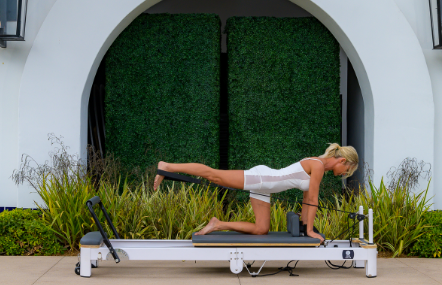
The Vibe Is Still Soft, But The Training Is Not
One reason Pilates keeps holding attention is that it never had to choose between beauty and discipline. The environment feels clean. The movement looks controlled. The whole thing gives off a calmer energy than many other fitness spaces. That part still appeals, especially in a culture that loves anything sleek, minimal, and easy to romanticize.
But the workout itself is getting taken more seriously now. People are realizing that slower movement does not mean less effort. A controlled session can light up the core, legs, glutes, and arms fast. It can look graceful from the outside and still feel brutally honest from the inside.
The “Pilates Body” Conversation Is Growing Up
For years, the Pilates body was talked about in a very narrow way. Long, lean, toned. Usually said with the kind of coded language that made the whole idea feel more visual than physical. That framing did Pilates no favors. It reduced a real training method to a body type fantasy.
Now the language is shifting. Strength is becoming part of the appeal. Posture matters. Stability matters. Feeling more connected to the body matters. Pilates itself focuses on balance, posture, strength, and flexibility, which helps explain why people want more from it than aesthetics alone.
That is where reformer training has become part of the conversation in a bigger way. The right setup can make the workout feel more athletic without losing the control and precision that drew people in to begin with. A lot of that interest makes sense when more people start looking into options to buy reformer Pilates machine setups that bring studio-style resistance into a home routine.
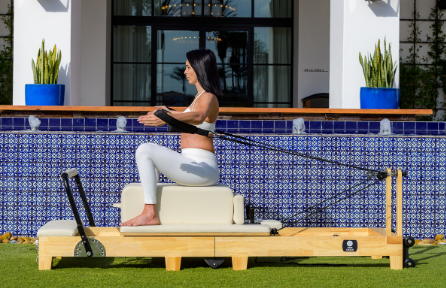
Why Strength Suddenly Feels More Stylish
There was a time when strength training and feminine branding were treated like opposites. One felt aggressive. The other felt refined. That split looks outdated now. A lot of women want both. They want softness in some parts of life and real physical power in others. They do not see those things as a contradiction anymore.
That is why Pilates fits this moment so well. It offers effort without the gym-bro energy that still puts some people off. It builds strength without looking harsh. It supports a version of fitness that can feel elevated and demanding at the same time.
That blend has become part of the appeal. Strength has stopped feeling like something separate from style. In the current version of the Pilates girl image, strength is the style.
Boutique Energy Changed Everything
Part of this shift came from the studio world. Boutique Pilates spaces made exercise feel more curated. The lighting was better. The soundtrack mattered. The design felt intentional. Even the class experience felt closer to a lifestyle than a chore.
That atmosphere helped Pilates grow, but it also changed expectations. Once people got used to the movement feeling, they were less interested in workouts that felt random or clunky. They wanted something more refined, but not less effective.
That is why reformer-based training kept gaining ground. It offered a challenge with a more polished feel. It looked cleaner than traditional gym setups. It also made the workout feel structured, which matters when people want fitness to feel like a real part of their lifestyle instead of a side task.
Looking Good Is Nice, Feeling Stronger Lasts Longer
There is nothing wrong with liking the aesthetic side of a workout. People are allowed to enjoy beautiful spaces, nice sets, and routines that feel a little aspirational. The problem starts when the look becomes the whole point.
That is exactly what is changing now. More people still want the nice studio energy, but they are no longer satisfied with a workout that ends there. They want to feel stronger walking out. They want the body to respond over time. They want more than a pretty routine with good branding.
This is where slower, more controlled training keeps winning people over. It can feel elegant and still be deeply effective. Pilates is also associated with better mind-body awareness and core strength, which gives that polished aesthetic more substance.
The Home Version Had To Catch Up
As Pilates moved further into mainstream culture, home fitness had to catch up, too. People did not just want random resistance bands and a mat in the corner. They wanted their home setup to reflect the same feeling they were seeing in studios and online. Clean. Elevated. Worth using.
That shift is part of why home reformers started getting more attention. They made it possible to bring some of that boutique feel home without losing the actual challenge of the workout. For people who were already drawn to the aesthetic, the next step was making the routine feel more complete.
The Aesthetic Works Better Now Because It Has More Substance
The Pilates girl image did not disappear. It just got better. It still has the visual appeal. It still fits perfectly into the current love of clean spaces, strong routines, and wellness-coded everything. The difference is that it now carries more weight.
It is not only about looking put together. It is about being more capable. More stable. More connected. More physically confident. That makes the whole thing more interesting, because the image is finally being backed up by something real.
That is why the aesthetic is getting stronger. Not because it got louder, but because it got more honest. Beneath the clean lines and polished routines, there is more actual work happening now. And that is exactly what makes it last.