
Every yoga teacher knows that the real magic unfolds when a sequence feels both intentional and effortless. Yet crafting that kind of balance takes more than just linking poses together, it’s about harmonizing movement with mood, theme, and energy to spark real transformation. This post will show you how to design flows that nurture connection, renewal, and self-awareness for every kind of student. Let’s dive into some practical and inspiring yoga flow ideas that bring both purpose and creativity into your next class.
Table of Contents
- 1 Principles of Effective Yoga Flow Sequencing
- 2 Beyond Poses: How to Create Themed Yoga Flows
- 3 Strength-Building Vinyasa Flow Ideas
- 4 Gentle Yoga Flow Ideas for Relaxation
- 5 Slow Flow Yoga Sequence Ideas for Mindful Movement
- 6 Adapting Flows for Different Class Needs
- 7 Leveraging Modern Tools for Creative Flows
- 8 The Yogipreneur’s Insight
- 9 FAQs about Yoga Flow Ideas
Principles of Effective Yoga Flow Sequencing
A thoughtfully constructed yoga flow begins with clear structure and intention. The foundation of any strong session lies in understanding the natural arc that supports both physical progress and emotional balance. Each class should open with centering and gentle warm-ups to awaken the breath and loosen the joints. From there, you can gradually build toward sequences that create heat, culminating in a peak pose or main flow that aligns with your class focus, whether that’s strength, flexibility, or concentration.
After the peak, guide students through counterposes to restore balance before settling into cooling stretches and final relaxation in Savasana. Safe sequencing promotes physical longevity and emotional steadiness. Pair spinal extensions with flexions, forward folds with backbends, and openings with stabilizing postures to prevent strain or overstimulation. Keeping this natural ebb and flow in mind creates seamless harmony between effort and ease, the essence of all effective yoga flow ideas.
Beyond Poses: How to Create Themed Yoga Flows
When you move past just arranging poses and start telling a story through movement, your classes reach a deeper emotional level. Themed yoga flows allow teachers to guide students not only through physical sequences but also through inner journeys that touch emotion and awareness. Whether inspired by compassion, the seasons, or the four elements, these classes give students a meaningful way to connect to something larger than themselves.
This approach works beautifully within today’s wellness-centered yoga world, where students seek nervous system balance as much as strength. A meaningful theme resonates beyond the mat, planting a sense of calm and clarity that carries into daily life. When you weave these ideas thoughtfully into your yoga sequence plans, every class becomes an act of mindfulness and reflection.
Emotional and Mindfulness Themes
Themes like grounding, gratitude, letting go, and self-compassion lay the groundwork for deeply nourishing experiences. For example, a grounding session might begin in Mountain or Tree Pose to establish rooted stability. A class about letting go could incorporate gentle twists paired with long, steady exhalations to physically and emotionally release.
Reinforce the theme through cues and imagery. You might invite students to picture roots spreading down from their feet or to breathe gratitude into their hearts with each inhale. This kind of intention-focused teaching turns yoga flow ideas into meaningful self-awareness practices, uniting body, breath, and emotion in every sequence.
Seasonal and Elemental Themes
Nature’s rhythms and the elements offer endless creative inspiration for flows. In spring, sequences that celebrate renewal might center on heart openers and backbends reflecting growth. Summer flows bring energy and playfulness through strong Sun Salutations and lively transitions. Autumn encourages grounding and release through hip openers and gentle folds, while winter invites introspection with slow, steady movement and extended holds.
You can also design classes around the classical elements: earth for steadiness, water for adaptability, fire for transformation, and air for openness and expansion. Aligning your themes with these natural patterns helps students reconnect to the world around them, cultivating peace and awareness through a sense of unity with nature.
Strength-Building Vinyasa Flow Ideas
Strength-oriented vinyasa flows empower students through focus and challenge. These yoga flow ideas help build endurance, tone muscles, and sharpen concentration through thoughtful transitions and intentional pauses. Each movement flows into the next, merging control with creativity for a practice that feels both grounded and energizing.
Encourage students to generate internal heat with breath-guided repetition and mindful holds. Incorporate moments of stillness to reset before bursts of dynamic motion. Strength-building flows not only sculpt the body but also shape the mind, reminding practitioners that true strength begins with awareness.
Sample Strength Sequence
Begin in Mountain Pose and move through several rounds of Sun Salutation B to warm up. Continue into Chair Pose with a twist to engage the core, then step into High Lunge and Warrior III to challenge balance and leg strength. Add Plank variations and careful Chaturangas for upper-body conditioning and control.
For the peak, explore playful arm balances like Crow or inversions such as Headstand for an uplifting challenge. Transition home with Bridge Pose or Reclined Twist before resting in Savasana. This structure builds heat and empowerment while laying the foundation for quieter, more introspective moments later in the class.
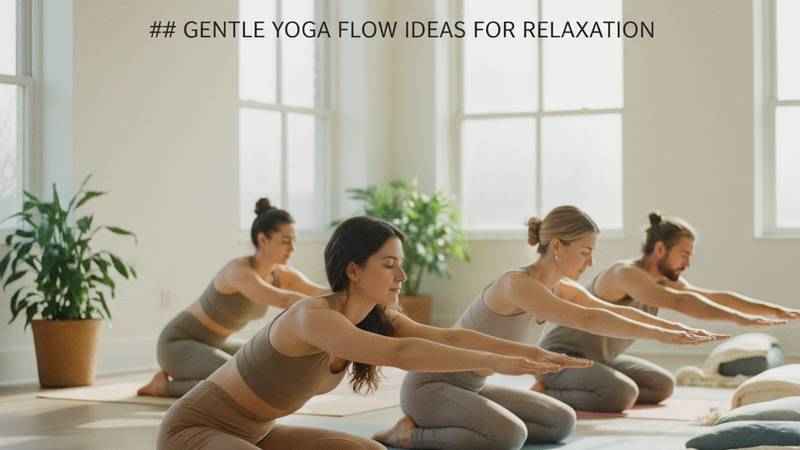
Gentle Yoga Flow Ideas for Relaxation
Gentle yoga flows are all about slowing down and softening, a welcome balance in a busy world. These sessions soothe the nervous system through unhurried movement and mindful breath. Props, comfort, and longer holds create space to release tension, especially in the shoulders, hips, and lower back.
Set a peaceful tone with calm lighting and soft music. Invite students to move intuitively, noticing where they need extra support or space. In gentle yoga, the goal isn’t performance but restoration, helping each person leave feeling grounded, centered, and deeply relaxed.
A Restorative Slow Flow Example
Start with Cat-Cow to awaken the spine, followed by Seated Side Bends and soft twists. Ease into Pigeon or Supine Figure Four to open the hips, then rest in Child’s Pose for introspection and slower breathing. Use bolsters or blankets to support Reclined Bound Angle Pose for deep release.
Finish with Legs-Up-the-Wall and guided breathwork to calm the nervous system and aid recovery. This restorative approach triggers the parasympathetic response, encouraging emotional steadiness and physical renewal. As students settle into presence and stillness, the class naturally flows into mindful movement and gentle awareness.
Slow Flow Yoga Sequence Ideas for Mindful Movement
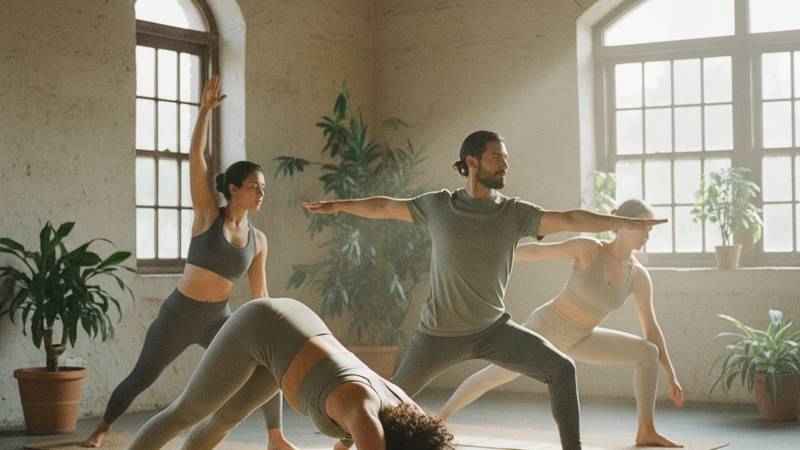
Slow flow yoga blends meditation with movement, turning each transition into a chance to be fully present. Unlike strictly restorative classes, slow flow builds mindful strength through controlled pacing that links body, breath, and attention. Every pose becomes a moving meditation, about noticing rather than performing.
This practice aligns beautifully with the “slow living” mindset, encouraging balance and calm amid modern stress. Whether taught in person or online, slow flow yoga sequence ideas help students build resilience and inner clarity, even on busy days.
Cultivating Presence Through Pacing
Pacing is what defines mindfulness in a slow flow. Encourage students to work through Sun Salutation A as if time slows, lifting arms in one long inhale, folding with a steady exhale, and noticing every tiny motion. In balances, draw attention to the quiet shifts of weight and breath.
Highlight transitions, the breath between poses, the still pause before a move begins. This unhurried rhythm teaches patience and brings the body from tension to tranquility. The science-backed benefits of yoga show how mindfulness practices like this ease stress and support overall balance. With presence established, it becomes easier to shape flows to fit your students’ varied needs.
Adapting Flows for Different Class Needs
Adaptability defines the mark of a skilled yoga teacher. Whether your students are beginners or seasoned practitioners, carefully designed flows ensure accessibility for all. Use props, modifications, and layered progressions to make the practice inclusive yet engaging. Flexibility in teaching builds both confidence and community among your students.
With hybrid teaching more common than ever, responsiveness matters. Offer clear cues for basic forms and alternatives for deeper poses. This approach helps every participant, no matter their skill level, feel capable and supported throughout the session.
The 30-Minute Express Flow
A shorter class can still deliver great results when it’s clearly structured. Start with two minutes of seated breathing, followed by a simple warm-up like Half Sun Salutations. Move into a main flow cycling through Warrior II, Triangle, and Side Angle three times, deepening awareness with each repetition.
End with a hip opener and brief Savasana. Compact yet balanced, these mini yoga flow ideas keep busy students consistent in their practice, offering a quick reset that fits easily into any schedule.
Sequencing for a Multi-Level Class
Multi-level classes thrive when you guide from foundation to expression. Begin with essential shapes, then invite advanced students into more challenging versions. In High Lunge, beginners can keep the back knee down while others move into a twist or balance. Provide props such as blocks or straps to encourage safety and proper alignment.
This method empowers students to choose their own level, fostering confidence and inclusivity. It reflects yoga’s evolving, student-focused nature and supports new ways to create and share inspired flow ideas.
Leveraging Modern Tools for Creative Flows
Technology is quickly reshaping how yoga teachers design, organize, and share their classes. AI-powered tools like FLOW can generate safe, balanced yoga flow ideas with instantly visualized transitions. These platforms offer hundreds of poses, opening creative pathways while preserving anatomical logic.
Using AI lightens the prep load so teachers can focus on connection and presence. You can build custom vinyasa, hatha, or restorative sessions in just minutes. When paired with intuition and experience, AI becomes a supportive collaborator that enhances clarity, safety, and artistry in class design.
Modern teaching platforms also make hybrid instruction much simpler, whether you’re leading in the studio, online, or on retreat. Combining tech with mindfulness blends old wisdom and new innovation, helping teachers craft yoga flow ideas that feel both timeless and forward-looking.
The Yogipreneur’s Insight
Bringing together creativity and structure is what turns yoga sequencing into an art. From energizing vinyasa to restful slow flow, every class serves one larger purpose, guiding students to connect body, breath, and intention. Whether your inspiration comes from the natural world, emotional storytelling, or modern tools, what counts most is designing flows that meet students where they are and help them grow in awareness.
Yoga teaching continues to evolve, merging ancient intuition with modern design for more inclusivity and authenticity. Keep exploring yoga flow ideas not as fixed routines but as meaningful experiences that awaken growth, resilience, and deeper presence, on the mat and beyond it.
FAQs about Yoga Flow Ideas
What are beginner yoga flow sequences for home practice?
Beginner yoga flows usually include simple poses that improve flexibility and calm, like Cat-Cow, Downward Dog, and Child’s Pose. Combine these into a short, repeatable routine that expands as you build strength and confidence.
How do I create a 30-minute vinyasa yoga flow?
To create a 30-minute vinyasa flow, begin with a brief warm-up, then alternate Sun Salutations with standing and balance poses. Wrap up with seated stretches and Savasana. Keep transitions smooth and balance both sides evenly.
What are the best yoga flows for strength building?
For building strength, focus on Warrior variations, Chair Pose, and Plank flows. These challenge major muscle groups and improve stamina when practiced in rhythmic vinyasa form.
How has AI changed yoga sequence planning?
AI tools have transformed planning by offering pose suggestions based on goals, skill level, and focus area. That level of customization helps teachers and at-home practitioners create classes that are safer and more effective.
What yoga flow ideas work for stress relief or hybrid classes?
For stress relief or hybrid setups, emphasize slower transitions, full breathing, and restorative shapes such as forward folds and soft twists. These accessible flows move smoothly between in-person and virtual settings, encouraging calm and connection everywhere.