
Two people can walk into the same Portland studio and pay different prices for the same class, on purpose, with no forms and no explanation required. That is the quiet design decision at the heart of the Portland yoga project, a Portland, Maine yoga and barre studio running more than 50 classes a week across two neighborhood locations. If you are researching whether this specific studio fits your budget, your body, and your schedule, the short answer is that it was built to fit a wide range of all three: three drop-in rates you choose yourself, chair-supported classes for limited mobility, and beginner-friendly formats at two addresses. The tension most first-timers feel is money and nervousness, and the Portland yoga project structures both into the model rather than treating them as afterthoughts. This guide walks through rates, formats, locations, and first-visit logistics so you can decide whether to book.
Table of Contents
- 1 What the Portland Yoga Project Is and Who It Serves
- 2 Class Formats and Who Each One Fits
- 3 Chair Yoga and Mobility-Friendly Options
- 4 Tiered Pricing and How to Choose Your Rate
- 5 The Two Locations and Their Neighborhoods
- 6 How to Book Your First Class
- 7 Portland Yoga Project vs Portland Yoga Collective
- 8 Reading Reviews and Confirming the Details
- 9 Your Next Steps to Book
- 10 FAQs about Portland yoga project
- 10.1 What are the Portland Yoga Project hours?
- 10.2 How much does a drop-in class cost at Portland Yoga Project?
- 10.3 Does Portland Yoga Project offer chair yoga?
- 10.4 Where are the Portland Yoga Project locations?
- 10.5 Is Portland Yoga Project good for beginners?
- 10.6 Can I try Portland Yoga Project before committing?
- 10.7 How do I book a class at Portland Yoga Project?
- 10.8 What is a Katonah yoga workshop at the studio?
- 10.9 Does Portland Yoga Project offer barre classes?
- 10.10 How does Portland Yoga Project compare to Portland Yoga Collective?
What the Portland Yoga Project Is and Who It Serves
The Portland yoga project is a yoga and barre studio in Portland, Maine, operating two neighborhood locations and running upwards of 50 classes a week. The studio’s stated promise centers on body autonomy: the belief that bodies carry their own agency and wisdom, and that a class should support that connection rather than override it. In practice, that reads as a studio built for people who want structure without pressure. This guide covers rates, class formats, both locations, and the logistics of booking a first class, so by the time you finish you can decide whether to reserve a spot or keep looking. Body Autonomy as the Studio’s Operating Principle
The studio describes itself as a business that teaches barre and yoga while believing in the connection of bodies to their own agency and wisdom. That sounds abstract until you see how it plays out on the mat. Teachers offer modifications as a default, not as a special accommodation you have to request. Nobody pushes you into a shape your body isn’t ready for, and skipping a pose isn’t treated as failure. For a reader who has felt watched or judged in another studio, that operating principle is the difference between coming back and never returning.
The Wabanaki Land Acknowledgment
The studio describes both locations as sitting on unceded Wabanaki territories. A land acknowledgment is a short, factual statement, and for practitioners weighing where they’ll spend their time and money, it indicates the social awareness the studio names as part of its stated values. It is a data point worth noting before you book.
Class Formats and Who Each One Fits
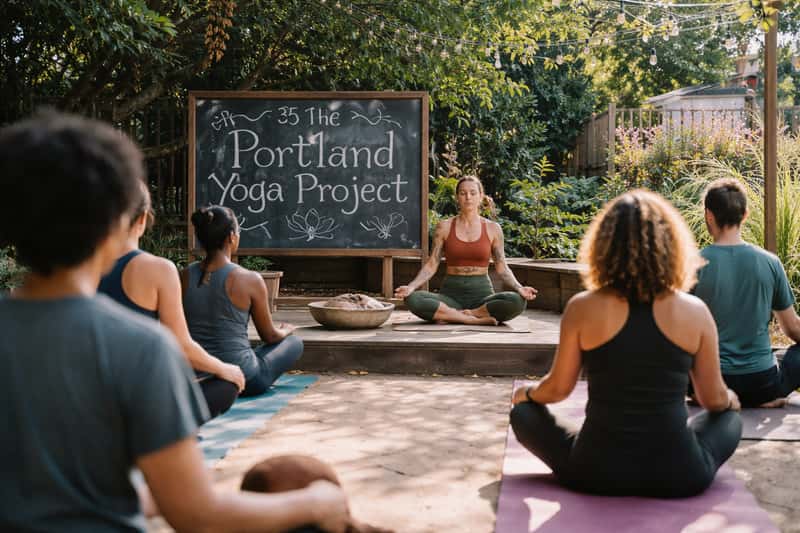
The studio’s schedule spans barre, vinyasa yoga, chair-supported yoga, and Katonah-method workshops. Each expects a different energy and skill level, and picking the wrong one for your first visit is the fastest way to feel out of place. This section sorts them so you self-select before you reserve.
Barre Classes in Portland, Maine
Barre builds strength and endurance through small, repeated movements, usually at a higher tempo than a slow flow. It suits readers who want muscle tone and a session that keeps their heart rate up. Intensity varies by teacher, so the class description is your best read on whether a given barre slot in Portland runs gentle or grueling. Check it before you commit.
Vinyasa Yoga for Movement and Flow
Vinyasa links breath to movement, building heat and rhythm through a continuous sequence. It works best for readers with some prior exposure who want to keep moving rather than hold long static poses. If you’re curious what a specific shape looks like before class, you can preview a posture like wheel pose and its step-by-step setup so you walk in knowing the mechanics instead of guessing mid-flow.
Katonah Yoga Workshops and Seasonal Events
The studio runs Katonah-method workshops, often built around seasonal themes that combine pranayama, movement, and the Katonah framework. A katonah yoga workshop is a deeper-dive event, not a drop-in class. These suit practitioners who already have a base and want to explore theory and breathwork rather than a straightforward flow. Watch the schedule for seasonal offerings, since they rotate and fill.
Chair Yoga and Mobility-Friendly Options
This is the ground most competitors only hint at. The studio promotes chair-supported yoga as a way to get the benefits of practice without getting down to the floor, using a chair for support throughout the class. Regular practice carries documented benefits for balance, flexibility, and stress, and chair formats make those accessible to bodies that can’t or won’t move through floor transitions. Chair yoga Portland searchers usually want to know if it’s real yoga. It is.
Who Chair Yoga Actually Helps
Chair yoga serves people with knee, hip, or balance concerns, practitioners recovering from injury, older students, and beginners who want a lower-stakes entry point. It is a full class format with its own sequencing and intention, not a watered-down version of a floor class. If floor work is the thing keeping you from booking, this is the class that removes the barrier.
What Accessibility Looks Like in Practice
Before booking, a mobility-conscious reader wants concrete answers: are props provided, how much floor transition does a class involve, and is this specific session chair-supported the whole way through. The reliable move is to read the class description on the schedule and, if anything is unclear, message the studio directly. A two-line question saves you a wasted trip.
Tiered Pricing and How to Choose Your Rate
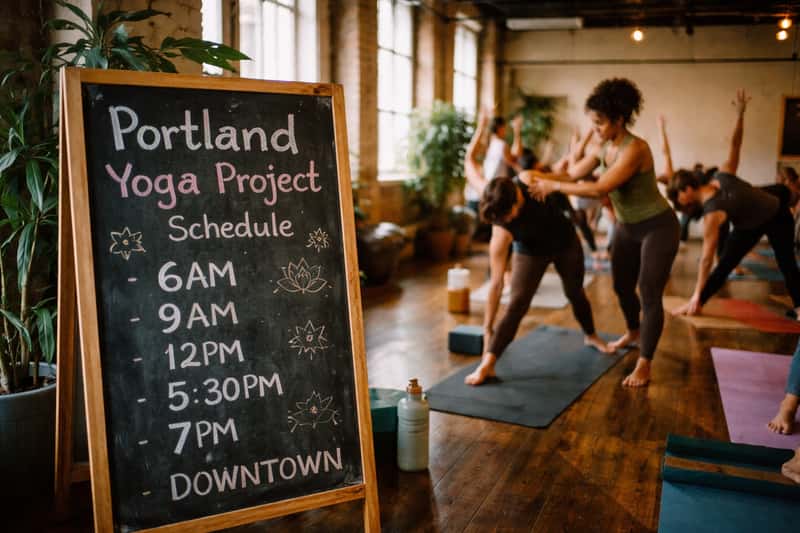
Here is the studio’s defining structure. The Portland yoga project uses a community-to-support pricing spectrum, three drop-in rates you select yourself. The logic is worth sitting with: instead of one low community rate that strains the budget, the studio lets clients who can pay more fund access for clients who can’t. Financial accessibility and steady revenue reinforce each other here rather than compete, which is the counterintuitive part most studio coverage misses.
Community, Standard, and Support Rates Explained
| Tier | Rate per drop-in | Who it’s for |
|---|---|---|
| Community | $18 | Tight budget, self-identified |
| Standard | $20 | Baseline rate, most students |
| Support | $24 | Can pay more to keep community access open |
These are drop-in figures pulled from the studio’s booking platform. Prices shift, so confirm current pricing before you book.
How to Pick the Right Tier for You
The choice is honest and simple. If your budget is tight, take the community rate. If it isn’t, standard is the baseline. If you can pay more, the support rate keeps the community rate available for someone else. No tier requires proof, income verification, or justification. That’s the entire point of a self-select model: it removes the awkward conversation and trusts you to read your own situation.
Intro Offers for Trying the Studio
The lowest-risk way in is an intro package. The studio offers a 30-day intro special alongside shorter 2- and 4-week intro options, which let you sample formats and both locations before committing to a rate tier or membership. Intro terms change seasonally, so confirm the current offer directly with the studio before you buy.
The Two Locations and Their Neighborhoods
The studio runs two sites, so you can pick by commute. The Forest Ave location and the Newbury St location serve different parts of Portland, and the Newbury St studio sits closer to downtown. Class formats and schedules can differ between them, so verify addresses and which formats run where before you plan your visit.
Forest Ave Studio
The Forest Ave studio sits along one of Portland’s main north-south corridors, away from the downtown core and closer to the residential neighborhoods that flank the avenue. That location matters for two practical reasons. Street and lot parking tend to be easier here than near the waterfront, which suits anyone driving in for a class after work. The corridor also carries the studio’s chair-supported and barre schedule for its side of the city, though not every format runs at every location. Check which classes are listed at Forest Ave before assuming your preferred style is on the calendar there, and confirm the exact address on the booking platform.
Newbury Street and Downtown Access
The Newbury Street studio sits near downtown, which matters if you live or work in the city center and want a short walk after work. The Portland yoga project Newbury Street listing on the booking platform is the source of truth for what runs where and when. Confirm before you commute across town.
How to Book Your First Class
Scheduling and payment run through the studio’s booking platform. You select a class, choose your rate tier, and reserve your spot in a few taps. New students are generally welcome, but if you’re unsure whether you can join a particular session mid-series, confirm through the class description or a quick message to the studio. This is a practitioner-focused guide; if you landed here wanting to price your own teaching instead, the site’s guide to starting a yoga business covers that side of the funnel.
What to Bring and What to Expect
Bring a mat if you own one, though you should confirm rental availability with the studio. Add water and comfortable clothing you can move in. Chair yoga and barre carry different gear expectations, so read the class notes. For a first visit, arrive a few minutes early to sign in, meet the teacher, and settle before class starts.
Portland Yoga Project vs Portland Yoga Collective
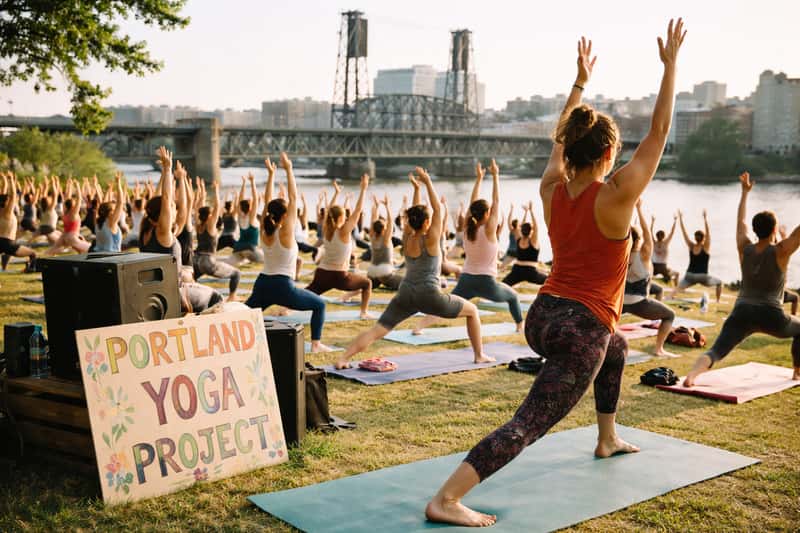
This is the comparison readers actively search. Both are Portland studios, but they run on different pricing models, format mixes, and locations, and those differences decide which one fits a first-time visitor.
Style and Format Differences
Portland Yoga Project runs three concrete differentiators worth naming. First, its pricing is a self-select tiered model, $18 community, $20 standard, and $24 support per drop-in, with intro packages for new students. Second, its format range centers on barre, vinyasa, and chair-supported yoga, with the chair format offered as a full class rather than an occasional add-on. Third, it operates two neighborhood sites, Forest Ave and Newbury Street, so students can choose by commute.
Portland Yoga Collective differs on the same three axes. Its class mix weights toward vinyasa and Pilates rather than barre and chair-supported formats. Its pricing follows a more conventional single-rate drop-in and membership structure rather than a self-select spectrum. And it runs from a downtown location, which suits practitioners already working or living in the city center. Neither studio is objectively better; they solve for different priorities, and the pricing model alone separates them clearly.
Which Fits a Nervous Beginner
If you have no experience and you’re anxious about walking in, the tiered pricing, chair-supported options, and community reviews describing the studio as inclusive tend to lower the barrier at Portland Yoga Project. If you want a downtown Pilates-and-vinyasa mix and a standard rate structure, the Collective may fit better. The cleanest way to decide is to try both through their intro offers before committing to either.
Reading Reviews and Confirming the Details
Vet the studio yourself before you book. Community reviews consistently mention inclusivity and teacher quality, but schedules, pricing, and location details change, so the studio’s own listings are the reliable source. If your real interest is pricing your own teaching rather than booking as a customer, the site’s teacher-focused pricing content covers that instead. Keep this decision on the practitioner side.
Where the Community Weighs In
Local forums and review listings offer honest, unfiltered takes on vibe and teaching quality that a studio site won’t give you. Read the most recent reviews for the current picture, and weigh several opinions rather than anchoring on any single one. Reviews age fast; the schedule ages faster.
Your Next Steps to Book
If Portland Yoga Project fits your budget, your body, and your commute, three concrete steps move you from research to a reserved spot. First, open the studio’s booking platform and check the current schedule at the location you’d commute to, since formats and times differ between Forest Ave and Newbury Street. Second, confirm the terms of the intro offer you plan to use, whether that’s the 30-day special or a shorter 2- or 4-week package, since those terms change seasonally. Third, book your first class through the platform, select your rate tier, and message the studio ahead of time with any accessibility or mid-series questions. That sequence gets you into a class with the pricing, format, and location already settled.
FAQs about Portland yoga project
What are the Portland Yoga Project hours?
The studio runs classes throughout the week across two locations, with the full, current timetable managed on its booking platform. Check the online schedule for exact class times, since hours vary by day and by studio.
How much does a drop-in class cost at Portland Yoga Project?
Drop-in classes use three self-select tiers: $18 community, $20 standard, and $24 support. These figures come from the studio’s booking platform, so confirm current pricing before you reserve.
Does Portland Yoga Project offer chair yoga?
Yes. The studio promotes chair-supported yoga as a full class format that delivers the benefits of practice without floor transitions, using a chair for support throughout. Confirm which specific sessions are chair-supported in the class description.
Where are the Portland Yoga Project locations?
The studio operates two sites in Portland, Maine: one on Forest Ave and one on Newbury Street. The Newbury Street location sits closer to downtown. Verify exact addresses and which formats run at each on the schedule.
Is Portland Yoga Project good for beginners?
It’s well suited to beginners. Tiered pricing, chair-supported classes, and a body-autonomy philosophy that offers modifications without judgment lower the barrier for first-timers. Community reviews frequently describe the studio as inclusive.
Can I try Portland Yoga Project before committing?
Yes. The studio offers a 30-day intro special plus shorter 2- and 4-week intro packages, which let you test formats and both locations at low cost. Confirm current intro terms directly with the studio.
How do I book a class at Portland Yoga Project?
Booking runs through the studio’s online platform. You select a class, choose your rate tier, and reserve your spot. If you’re unsure about joining mid-series, check the class description or message the studio.
What is a Katonah yoga workshop at the studio?
These are deeper-dive events that combine pranayama, movement, and the Katonah framework, often built around seasonal themes. They suit practitioners with some base experience rather than absolute beginners looking for a drop-in flow.
Does Portland Yoga Project offer barre classes?
Yes. Barre is a strength-and-endurance format built on small, repeated movements. Intensity varies by teacher, so read the class description to gauge whether a given session runs gentle or high-energy.
How does Portland Yoga Project compare to Portland Yoga Collective?
Portland Yoga Project runs a self-select tiered pricing model, a format mix built around barre and chair-supported yoga, and two neighborhood locations. Portland Yoga Collective leans toward vinyasa and Pilates on a standard rate structure downtown. Try both through intro offers before deciding which fits you.