
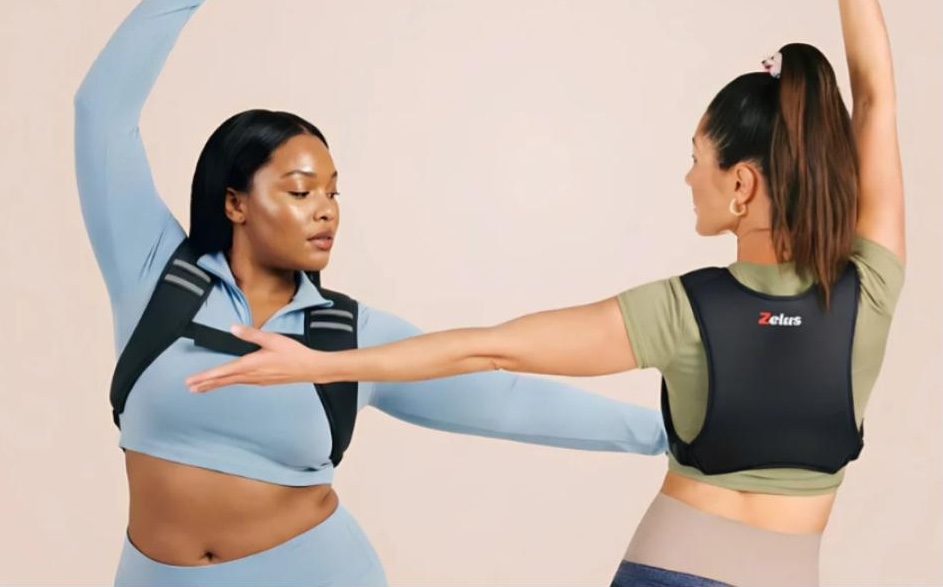
Yoga is traditionally celebrated as the ultimate bodyweight discipline—a practice of balance, flexibility, and moving your own mass through space. But when you introduce a weighted vest into your practice, the physics of yoga completely transforms.
Adding an external load of 3% to 10% of your body weight introduces a localized gravitational pull. It doesn’t just make the poses harder; it changes how your neuromuscular system reacts. The added resistance acts as a tool for deeper somatic feedback, enhanced muscle activation, and accelerated bone-density signaling.
While it sounds like an advanced niche, practicing yoga and Pilates with a weighted vest is a major, highly rewarding trend. According to the February 2026 Zelus Weighted Vest User Quantitative Research Report, roughly 29% to 31% of weighted vest users regularly integrate their vest into yoga and Pilates sessions.
By strategically adding compression and weight, these 20 traditional yoga poses become exponentially more effective for building functional strength, joint stability, and metabolic fire.
What Yoga Practitioners Need to Know Before Strapping On a Weighted Vest
If you are adding a weighted vest to your vinyasa or hatha flow, keep these crucial insights from the 2026 data in mind:
- Choose the Right Vest Style: Yoga requires bending, twisting, and upside-down movements. The data shows that “fit and stability / minimal bounce” is the #1 purchase factor for users (42%–44%). Traditional iron-sand vests can sometimes shift during inversions, which is why the silicone soft iron adjustable vest model scored the highest NPS among Zelus users. Its flexible, body-contouring nature makes it the ultimate choice for flowing through transitions. If you’re looking for more ideas for what to wear for yoga, see this post as well.
- The Zero-Odor Priority: Because yoga is a sweaty, close-contact practice, pay attention to maintenance. In the report, “improved odor control” and “difficulty cleaning / bacteria growth” were the top-rated complaints and desired areas of improvement for soft iron and silicone vest users. Look for antimicrobial materials or a vest that can be easily wiped down post-savasana.
- Targeting Core Demographics: If you are practicing yoga with a vest, you likely fall into the market’s core demographics: “Weight Loss Shapers” (62% of the market) looking to increase their metabolic fire, or women managing busy households (29% of the market) who use yoga to combat the 20% to 28% market-wide anxiety surrounding bone density loss and muscle wasting.
The Science Behind Weighted Vest Yoga
Introducing weight into yoga shifts the body’s center of gravity and forces muscles, joints, and the nervous system to adapt. This creates measurable changes in strength and coordination. Key benefits include:
Enhanced Proprioception
The weight vest provides additional sensory feedback, improving awareness of body position and alignment. Practitioners can better identify habitual postural imbalances, such as leaning forward or collapsing through the spine.
Increased Core Demand
Every pose, whether static or dynamic, requires deeper activation of the transverse abdominis and spinal stabilizers to maintain balance under load. This intensifies core engagement across the practice.
Greater Muscular Endurance
Weighted yoga increases the time under tension for working muscles. Holding poses with additional weight can develop muscular endurance in the arms, legs, back, and shoulders.
Bone Health Benefits
Weight-bearing activity stimulates bone remodeling. When applied safely, a weighted vest can increase mechanical loading on the spine, hips, and lower body, supporting skeletal strength over time.
Phase 1: Standing Strength and Balance Foundations
Standing poses often feel dramatically different with even a small amount of added weight.
1. Mountain Pose (Tadasana)
Mountain Pose appears simple but becomes a lesson in posture when resistance is added.
Benefits
- Improves postural awareness
- Encourages spinal alignment
- Activates the feet and lower legs
- Enhances balance fundamentals
Focus Point
Distribute weight evenly through both feet and avoid leaning forward.
2. Chair Pose (Utkatasana)
Chair Pose becomes significantly more demanding for the lower body.
Benefits
- Strengthens quadriceps and glutes
- Challenges spinal stabilizers
- Improves lower-body endurance
- Increases heart rate
Focus Point
Keep the chest lifted and avoid excessive forward leaning.
3. Tree Pose (Vrksasana)
Balance becomes noticeably more challenging when the body’s center of gravity changes.
Benefits
- Improves ankle stability
- Strengthens hip stabilizers
- Enhances balance coordination
- Develops core control
Focus Point
Choose a fixed visual point to maintain balance.
4. Warrior I (Virabhadrasana I)
The added resistance increases the challenge for both the front and back legs.
Benefits
- Strengthens quadriceps
- Improves hip mobility
- Builds postural endurance
- Enhances shoulder stability
Focus Point
Keep the front knee tracking over the ankle.
5. Extended Side Angle (Utthita Parsvakonasana)
This pose combines strength, mobility, and stability.
Benefits
- Strengthens obliques
- Improves hip flexibility
- Enhances lateral core stability
- Develops shoulder endurance
Focus Point
Maintain length through both sides of the torso.
Phase 2: Posterior Chain and Hamstring Development
Forward folds become opportunities to combine mobility work with gentle loading.
6. Standing Forward Fold (Uttanasana)
The vest increases the downward pull of gravity.
Benefits
- Lengthens hamstrings
- Encourages spinal decompression
- Promotes relaxation
- Improves flexibility
Focus Point
Allow the stretch to develop gradually rather than forcing range of motion.
7. Pyramid Pose (Parsvottanasana)
This pose creates an intense stretch along the posterior chain.
Benefits
- Improves hamstring flexibility
- Strengthens stabilizing muscles
- Enhances hip alignment
- Develops balance
Focus Point
Keep the hips square toward the front of the mat.
8. Halfway Lift (Ardha Uttanasana)
Holding this position under load develops strength in the posterior chain.
Benefits
- Strengthens lower back muscles
- Improves hip hinge mechanics
- Builds hamstring endurance
- Reinforces spinal alignment
Focus Point
Maintain a flat back throughout the hold.
9. Wide-Legged Forward Fold (Prasarita Padottanasana)
The additional load may deepen the sensation of the stretch.
Benefits
- Opens the inner thighs
- Improves hamstring mobility
- Encourages spinal lengthening
- Reduces lower-back stiffness
Focus Point
Keep weight distributed evenly between both feet.
Phase 3: Dynamic Balance and Functional Stability
These poses require the body to resist movement in multiple directions simultaneously.
10. Warrior III (Virabhadrasana III)
One of the most demanding balance poses in yoga.
Benefits
- Strengthens glutes and hamstrings
- Improves balance
- Develops posterior chain strength
- Enhances core stability
Focus Point
Create a straight line from head to heel.
11. Half Moon Pose (Ardha Chandrasana)
A true test of balance and coordination.
Benefits
- Activates lateral hip muscles
- Strengthens the standing leg
- Improves rotational stability
- Develops spatial awareness
Focus Point
Move slowly into and out of the pose.
12. Revolved Triangle (Parivrtta Trikonasana)
The added load increases the stability demands during rotation.
Benefits
- Improves thoracic mobility
- Strengthens obliques
- Enhances balance
- Develops rotational control
Focus Point
Rotate from the upper back rather than forcing the lower spine.
13. High Lunge (Ashta Chandrasana)
This athletic posture becomes a powerful lower-body strength exercise.
Benefits
- Builds leg endurance
- Improves hip mobility
- Challenges cardiovascular fitness
- Enhances core stability
Focus Point
Keep the torso upright and engaged.
Phase 4: Upper-Body Strength and Core Control
A weighted vest can significantly increase the demands of traditional bodyweight-supported yoga poses.
14. Downward-Facing Dog (Adho Mukha Svanasana)
Benefits
- Strengthens shoulders
- Lengthens calves and hamstrings
- Improves shoulder endurance
- Enhances full-body stability
Focus Point
Press evenly through both hands.
15. Plank Pose (Phalakasana)
The additional load turns a basic plank into a serious core exercise.
Benefits
- Strengthens the entire core
- Improves shoulder stability
- Develops postural endurance
- Builds total-body tension
Focus Point
Avoid allowing the hips to sag.
16. Four-Limbed Staff Pose (Chaturanga Dandasana)
One of yoga’s most demanding strength movements.
Benefits
- Strengthens chest and triceps
- Builds shoulder stability
- Improves body control
- Develops pushing strength
Focus Point
Maintain elbows close to the body.
17. Crow Pose (Bakasana)
Additional weight magnifies the challenge.
Benefits
- Improves arm balance skills
- Develops shoulder strength
- Enhances coordination
- Strengthens the core
Focus Point
Practice only after mastering the pose without added resistance.
Phase 5: Posterior Chain Strength and Backbends
Backbends help balance the demands of daily sitting and forward-focused movement.
18. Cobra Pose (Bhujangasana)
Benefits
- Strengthens upper back muscles
- Improves posture
- Opens the chest
- Increases spinal extension strength
Focus Point
Lift with the back muscles rather than pushing excessively with the hands.
19. Locust Pose (Salabhasana)
This pose becomes significantly more challenging with a weighted vest.
Benefits
- Strengthens glutes
- Builds lower-back endurance
- Improves posterior chain development
- Enhances postural control
Focus Point
Lengthen through the spine while lifting.
20. Bridge Pose (Setu Bandha Sarvangasana)
The vest increases resistance during hip extension.
Benefits
- Strengthens glutes and hamstrings
- Improves hip extension power
- Supports lower-back health
- Develops posterior chain strength
Focus Point
Drive through the heels while maintaining a neutral neck position.
Sample 20-Minute Weighted Vest Yoga Flow
For those new to weighted yoga, try this simple sequence:
Warm-Up (5 Minutes)
- Mountain Pose
- Chair Pose
- Warrior I
- Forward Fold
Strength and Balance (10 Minutes)
- Tree Pose
- Warrior III
- Half Moon Pose
- High Lunge
- Plank Pose
- Downward Dog
Cool Down (5 Minutes)
- Cobra Pose
- Bridge Pose
- Wide-Legged Forward Fold
- Relaxed Breathing
Safety Guidelines for Weighted Vest Yoga
Adding a weighted vest to your yoga practice can enhance strength, stability, and body awareness, but it also introduces new risks if not used carefully. Following proper safety guidelines ensures that the practice remains effective, controlled, and injury-free.
Start Light
For most practitioners, a vest weighing 3%–5% of body weight is sufficient to provide additional resistance without overloading the joints or compromising balance. Beginners should always err on the side of caution, gradually increasing weight only as they develop strength, stability, and familiarity with the poses. Starting with too much weight can lead to poor posture, excessive strain on the spine, or unnecessary fatigue.
Prioritize Form
Form and alignment are the foundations of safe yoga practice, even more so when using external weight. The added load can make it tempting to shorten a pose or lean excessively to compensate, but this can increase stress on joints, ligaments, and muscles. Focus on maintaining proper posture and alignment throughout each pose rather than holding it longer or moving faster. Correct form ensures that the body benefits from the weight without risking injury.
Avoid Excessive Weight
Yoga emphasizes control, precision, and mindful movement, which can be compromised if a vest is too heavy. Excessive weight can shift the center of gravity, strain the knees, hips, shoulders, or spine, and interfere with proper breathing mechanics. Practitioners should only increase the load when they can maintain controlled, mindful movements in every posture. Overloading too quickly can negate the benefits of weighted yoga and potentially lead to injury.
Master the Pose First
Before adding resistance, it is crucial to master each pose without weight. Practitioners should be able to demonstrate stable balance, proper alignment, and controlled transitions before introducing external load. Adding weight to a pose that is not yet fully controlled can amplify errors, create tension in the wrong areas, and increase the risk of falls or joint strain. Gradual progression ensures that the benefits of the vest are realized safely.
Secure the Vest Properly
A weighted vest must fit snugly and remain stable during movement. A loose or poorly adjusted vest can shift, altering the center of gravity and potentially causing imbalance or strain. Make sure straps and closures are tight enough to hold the vest firmly against the torso, particularly during dynamic sequences, bends, and twists. A well-fitted vest distributes weight evenly and allows for safe, controlled practice.
Use Extra Caution During Inversions
Poses where the head is below the heart, such as Downward-Facing Dog, Crow Pose, or supported headstands, become substantially more challenging under load. The vest can shift the center of gravity, increase pressure on the shoulders or cervical spine, and make balance more difficult. Practitioners should progress gradually with inversions, ensuring that the vest is secure and that they are confident in the unweighted version of the pose before adding resistance. Using props or practicing near a wall can provide additional safety when attempting weighted inversions.
Monitor Fatigue and Listen to Your Body
Even with light weights, the body may fatigue faster due to increased muscular demand and stability challenges. Pay attention to signals of strain or discomfort, particularly in the lower back, knees, and shoulders. Take breaks as needed, and focus on slow, controlled breathing to support both alignment and strength under load.
Weighted vest yoga combines the mindfulness and mobility of traditional yoga with the progressive resistance principles commonly used in strength training. While it is not necessary for an effective yoga practice, it can provide an additional challenge for experienced practitioners seeking improvements in strength, stability, endurance, and body awareness.
The key is to use resistance as a tool rather than a goal. Starting with light weight, moving deliberately, and maintaining proper alignment allows practitioners to experience the benefits of added load while preserving the core principles that make yoga effective in the first place.