
Choosing what to wear to Pilates shouldn’t be complicated, even with the workout’s recent surge in popularity. Pilates has gained an unprecedented following in recent years. Celebrity fans like Hailey Bieber and Jennifer Aniston praise its benefits regularly. The movements remain low-impact and controlled, yet they deliver remarkable results. This makes your choice of attire crucial to maximize these benefits.
First-time participants often wonder if yoga leggings work well enough, whether they need shoes, or how to dress appropriately. The right clothing lets you move freely and helps your instructor’s guidance while keeping your confidence high throughout the session. This piece addresses everything about Pilates attire for both beginners and regular practitioners. You’ll learn what to wear to class, whether shoes are necessary, and how to put together stylish Pilates outfits. Expert instructors with over 20 years of teaching experience share their complete guide to dressing right for this life-changing workout.
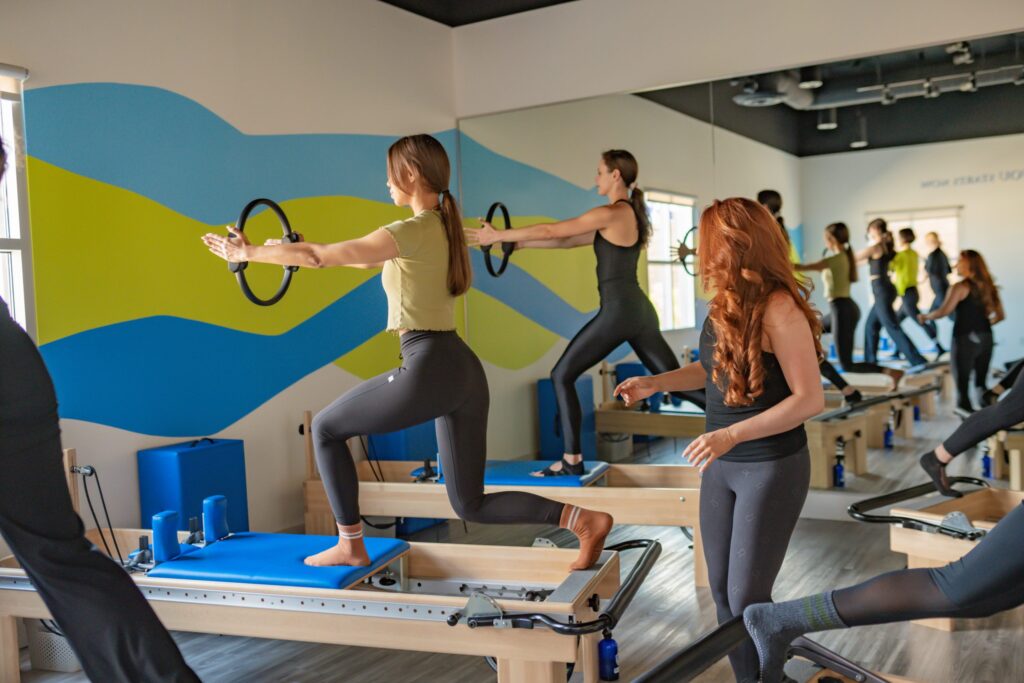
Table of Contents
- 1 Why Your Pilates Outfit Matters
- 2 Essential Clothing Items for Pilates
- 3 Footwear and Accessories You’ll Need
- 4 What to Wear for Different Pilates Classes
- 5 Style Tips and Outfit Ideas
- 6 Here are some FAQs about what to wear to pilates:
- 6.1 What to wear to Pilates as a beginner?
- 6.2 What is the 80 20 rule in Pilates?
- 6.3 What not to wear to Pilates?
- 6.4 Do you wear sneakers to Pilates?
- 6.5 What is the 10 20 30 rule in Pilates?
- 6.6 Is 30 minutes of Pilates a day enough to lose weight?
- 6.7 Is Pilates harder than yoga?
- 6.8 What are the 3 C’s of Pilates?
Why Your Pilates Outfit Matters
The right pilates attire does more than just look good. Your choice of clothing can make or break your practice’s effectiveness, safety, and overall experience. Unlike regular gym clothes, pilates-specific outfits serve multiple significant purposes that directly shape your results.
Helps instructors check your form
The life-blood of pilates is precision, and your clothes play a key role in achieving it. Form-fitting attire lets instructors see your body’s arrangement and movement patterns. Loose clothing makes it hard to spot key alignment markers like your spine, shoulders, and pelvis. This makes accurate corrections almost impossible.
Tight-fitting outfits show your posture clearly. You and your instructor can focus on precision instead of guessing. Clear visibility becomes even more important when you use specialized equipment like reformers. Good form prevents injury and gives you the best results.
“It’s not about dressing to be seen, it’s about dressing to allow the body to be read clearly,” notes one expert instructor. The right pilates attire then works as a communication tool between you and your teacher. This leads to better guidance and faster progress.
Improves comfort and focus during class
The right pilates outfit changes your physical experience in class. These practical benefits stand out:
- Freedom of movement – Pilates needs you to stretch, bend, and lengthen. Your clothes should move with you, not fight against you
- Grip and stability – Slippery fabrics make it hard to hold positions on reformers or mats. The right texture helps you stay stable
- Breathability – Quality moisture-wicking fabrics keep you cool during sweaty sessions
Good pilates clothes remove distractions. One instructor explains, “When your top doesn’t lift, and your leggings don’t fall down, your energy is directed towards the practice and not towards adjusting your clothes”. This lets you focus on your form and technique. Your clothing becomes part of your practice.
Bad outfit choices do more than just annoy you. They block alignment feedback, break your focus, and might even lead to injuries through wrong movements. To name just one example, see how baggy clothes can catch on springs or straps during reformer exercises. This creates safety risks.
Supports confidence and motivation
Good pilates attire boosts your mental state. Students who feel comfortable, supported, and free to move breathe easier. They move more smoothly, and their confidence grows.
“At FIT AS FIRE, we believe that showing up for Pilates is an act of self-care and what you wear is part of that commitment,” explains one studio. This point of view shows that choosing pilates outfits is an investment in your practice, not just a fashion choice.
Good pilates clothes boost both your performance and your commitment to practice. The right pilates sets help you feel secure and ready to give your best. Many people find that dedicated pilates outfits deepen their commitment to regular practice. This strengthens their connection to this life-changing exercise method.
Essential Clothing Items for Pilates
Your perfect Pilates wardrobe starts with basics that help you practice better without distractions. The right clothes designed for controlled movements will make a real difference in how comfortable and effective your workout feels. Let’s look at the must-have pieces you need.
Fitted tops that stay in place
Form-fitting tops are the foundations of good Pilates wear. These tops stick close to your body and stop extra fabric from getting in your way or tangling in equipment. The best Pilates top should have:
- Sweat-wicking, breathable materials to keep you cool
- Stretchy fabric that moves as you move
- Longer hemlines that stay put during inversions or core work
“Form-fitting tops are best for Pilates as they stay close to your body, don’t slip around, and allow your instructor to see your form”. On top of that, many people like tops with built-in shelf bras that give extra support and coverage.
These fitted tops help your instructor see and fix your form better. Good form is a vital part of Pilates, so you’ll want tops that show your shoulders, spine, and torso clearly to get the right guidance.
High-waisted leggings or biker shorts
The bottom half of your outfit needs just as much thought. High-waisted leggings or biker shorts have become favorites among both casual practitioners and pros because they work so well.
High-waisted styles “stay in place” during movements, so you won’t waste time pulling up your pants. This really helps when you bend, stretch, or turn upside down.
Second-skin leggings with “lightweight feel and stretchy fit are ideal for Pilates workouts as they move with you”. You’ll never feel restricted during tough moves.
Biker shorts make “an excellent alternative to leggings for the warmer months”. They give you everything full-length leggings do – stability, coverage, and easy movement – plus they keep you cooler.
No matter what you pick, look for bottoms with flat-locked seams to “avoid any irritation or unnecessary friction”. This stops any rubbing or chafing when you move.
Low to medium-impact sports bras
The right support up top rounds out your Pilates outfit basics. Since Pilates is usually low-impact, light sports bras work well for most people.
“Strappy, lightweight sports bras are popular for Pilates, as these styles typically offer lower chest support”. They keep everything stable without squeezing too tight, so your shoulders and upper back can move freely.
In spite of that, everyone’s needs are different. People with larger cup sizes “might want to think over still wearing medium-high support bras for exercise”. The trick is finding a sports bra that supports you well but lets you move and breathe easily.
Today’s Pilates sports bras often use “moisture-wicking fabrics that keep you cool and dry, allowing you to focus on your practice without distractions”. Many styles come with “removable padding for added versatility, allowing you to adjust your level of coverage and support as needed”.
These three basics – fitted tops, high-waisted bottoms, and the right sports bra – create your core Pilates wardrobe. This smart combo helps you practice better through free movement, clear form visibility, and no wardrobe issues to break your focus.
Footwear and Accessories You’ll Need
You need to think over footwear and accessories beyond simple clothing for Pilates. These small details can substantially affect your experience, safety, and performance in class. Let’s look at what else you need besides your main wardrobe items.
Do you wear shoes in Pilates?
The short answer is no—you practice traditional Pilates without shoes. This barefoot style lets instructors see how your feet line up and helps you connect better with your movements. The original Pilates method was designed for barefoot practice to build foot strength and proprioception (your body’s awareness of its position).
Bare feet help keep expensive equipment like reformers and mats clean. Most studios won’t let you wear outdoor shoes to protect their equipment and keep the space hygienic for everyone.
Some exceptions might apply if you have medical conditions that need foot support or specific therapeutic Pilates sessions. Clean, indoor-only shoes with thin soles work best in these cases. Check with your studio first if you have special needs.
Why grip socks are a must
While Pilates started as a barefoot practice, grip socks have become the preferred choice in modern sessions for good reasons:
- Safety improvement – Non-slip rubber dots or patterns stop you from slipping during tough positions
- Hygienic benefits – They protect shared equipment from foot bacteria or fungi
- Temperature regulation – Your feet stay warm during floor work while moving freely
- Stability improvement – Extra traction helps maintain good form, which helps beginners
Quality grip socks come in five-toe designs or regular styles with grippy bottoms. Many Pilates regulars have several pairs and see them as must-have gear. New students feel more confident and stable when they wear these specialized socks.
Hair ties, headbands, and towels
These practical accessories make your practice more comfortable:
Your hair needs to stay in place—nothing breaks your focus like hair in your face during inverted poses. Hair ties or clips keep long hair secure, while headbands work great for shorter layers or bangs.
A small hand towel serves many purposes in class. It cushions sensitive knees or spine, wipes away sweat during intense sequences, and creates a clean barrier between your face and the mat for certain positions.
Experienced practitioners bring water bottles with secure lids to stay hydrated without spilling on expensive equipment. You need water even in less intense Pilates sessions.
These accessories might seem less important than your main Pilates clothes, but they improve your comfort and focus. You can concentrate fully on form and movement instead of dealing with distractions.
What to Wear for Different Pilates Classes
Your Pilates class format will need specific clothing adjustments to maximize performance and comfort. Beginners can prepare better when they understand these variations. The right Pilates attire matches each session’s unique requirements.
Mat Pilates vs. Reformer Pilates
Mat Pilates gives you a gentler introduction to Pilates, but your clothing choice still matters. Standard fitted attire works great for these floor-based sessions. A regular pair of Pilates leggings and tank top will give you enough coverage and flexibility. You can wear grip socks or go barefoot, though many studios prefer socks to maintain hygiene.
Reformer Pilates needs more thought with your outfit choices. The reformer machine has a sliding platform, springs, and cables that work best with clothes that won’t catch or restrict movement. You’ll want fitted clothing so instructors can check your alignment properly. Most reformer classes require grip socks to give stability and protect the equipment.
The reformer’s design makes proper form vital, so instructors must see your body’s position clearly to keep you safe and effective. The equipment provides more support than mat work, but you still need proper Pilates clothes that stay put during sliding movements.
What do you wear to hot Pilates?
Hot Pilates classes run in heated rooms between 95°F and 103°F with 40-60% humidity. These conditions create special clothing needs. You’ll start sweating within minutes and will be drenched by mid-class. You’ll want moisture-wicking, form-fitting clothes.
Here’s what works best for these intense sessions:
- Sweat-wicking sports bras and lightweight shorts or breathable leggings
- Minimal fabric layers to stay cool
- Grip socks to stay stable on slippery surfaces
Many people choose leggings over shorts because sweat dripping down bare legs can throw off your balance. Bring two towels—one for your mat and one for yourself—plus an ice-filled water bottle to stay hydrated.
Hybrid classes like barre or fusion
Hybrid formats like barre-pilates fusion follow similar clothing rules with some tweaks. These classes mix ballet-inspired movements with traditional Pilates. Your clothes should work well for both styles.
Slip-resistant socks are essential in these specialty sessions because barre work needs stable footing during balance exercises. Close-fitting cropped pants work best. They help instructors see your leg position during small movement adjustments.
Studios that offer these hybrid formats suggest wearing layers. The temperature changes throughout class—starting cool before warming up during the workout. This layered approach lets you adjust your coverage without stopping your practice.
Style Tips and Outfit Ideas
Your personal Pilates style can lift both performance and confidence in the studio. A polished look needs minimal effort. You just need to pick pieces that work well with your practice.
Matching Pilates outfit sets
Pilates enthusiasts love coordinating sets these days. Matching tops and bottoms in soft pastels or neutrals help you look polished without much effort. These sets look great together and come with practical benefits. The pieces are designed as a unit, so they give you consistent compression, similar fabric feel, and a great fit. Many people still love monochromatic outfits, especially all-black ensembles, which never go out of style.
Cute Pilates outfits for studio and beyond
The “Pilates Princess” look has taken over social media. This style features pink and white athleisure, black leggings, and ballet-inspired elements. Here are some versatile options that work well anywhere:
- Strappy jumpsuits are perfect from reformer to brunch
- Ballet-inspired pieces in soft pinks with crossover waist leggings create a stylish look
- Unitards stay in place while looking good enough for post-workout errands
Layering for pre- and post-class comfort
We used layering for both practical reasons and style. A cozy zip-up hoodie or oversized button-up shirt keeps you warm before class and after your body temperature drops. Jersey or cotton lightweight jackets work great if it’s warm outside. Most practitioners think a quality jumper is a must-have. It keeps you cozy during transitions and looks great with your Pilates outfit.
The right Pilates outfit will improve your results and overall experience. Your instructor needs to see your form clearly to help prevent injuries and get the best results. Well-fitted tops, high-waisted bottoms, and supportive sports bras let you focus on the precise movements that make Pilates work so well.
Most people do Pilates barefoot, but grip socks have become vital for modern classes, especially when you have reformer sessions where stability matters. You’ll also want to adjust what you wear for special classes like hot Pilates or fusion formats to stay comfortable.
Finding your personal Pilates style through matching sets, mix-and-match pieces, and smart layering builds confidence and keeps you motivated. These clothing choices might seem less important than the exercises, but they substantially affect how comfortable you feel and how well you perform in each session.
Your Pilates clothes do more than just look good—they help with proper form, keep you from getting tangled in equipment, and give you freedom to move during complex sequences. Now you can walk into your first class feeling confident about what to wear. Your journey into the ever-changing world of Pilates starts here, and you’ll be ready for every challenge ahead.
Here are some FAQs about what to wear to pilates:
What to wear to Pilates as a beginner?
As a beginner, you should wear form-fitting, comfortable, and stretchy clothing that allows you to move freely and lets the instructor see your alignment. Good options include leggings or bike shorts with a fitted tank top or t-shirt, which covers the basics of what to wear to pilates. The key is choosing clothes that won’t bunch up or get in the way during exercises on the mat or reformer.
What is the 80 20 rule in Pilates?
In Pilates, the 80/20 rule often refers to the concept of focusing 80% of your effort on engaging your core or “powerhouse,” while 20% of the effort is used by the limbs performing the movement. This principle ensures that exercises are performed with stability, control, and efficiency, protecting the spine and joints. It is a fundamental focus regardless of what you wear to pilates class.
What not to wear to Pilates?
You should not wear loose, baggy clothing like oversized t-shirts or wide-leg pants, as they can get caught on equipment and prevent the instructor from checking your form. Avoid clothing with zippers, buttons, or thick seams that could be uncomfortable when lying on your back or stomach. Jewelry is also best removed, so the decision on what do you wear to pilates should prioritize simplicity and safety.
Do you wear sneakers to Pilates?
No, you typically do not wear sneakers to traditional mat or equipment-based Pilates classes. Pilates is performed either barefoot or in special grip socks to allow for better articulation of the feet, improve balance, and maintain hygiene on shared equipment. This is a standard part of understanding what to wear for pilates in most studio settings.
What is the 10 20 30 rule in Pilates?
The 10 20 30 rule in Pilates is a specific and advanced breathing pattern where you inhale for a count of 10, hold the breath for a count of 20, and exhale completely for a count of 30. This technique is used to enhance concentration, deepen core engagement, and increase the challenge of an exercise. It is a mental and physical practice separate from decisions like what do you wear to hot pilates?.
Is 30 minutes of Pilates a day enough to lose weight?
Thirty minutes of Pilates daily can contribute to weight loss as part of a comprehensive plan that includes a caloric deficit and cardiovascular exercise. It builds lean muscle, which boosts metabolism, and improves overall body composition over time. Consistency is key, and wearing appropriate attire, as defined by what to wear to pilates class, helps ensure you can perform the movements effectively.
Is Pilates harder than yoga?
Whether Pilates is harder than yoga is subjective and depends on the individual and the style of each practice. Pilates often focuses more on core strength, stability, and controlled, repetitive movements using muscular resistance. The perceived difficulty can also be influenced by what you wear to pilates, as proper clothing allows for full, unimpeded movement in either discipline.
What are the 3 C’s of Pilates?
The 3 C’s of Pilates are often cited as Control, Concentration, and Centering. Control refers to performing movements with deliberate muscle engagement, Concentration involves mindful focus on the exercise, and Centering means initiating all movement from the body’s core or powerhouse. These principles guide the practice whether you are deciding what to wear for pilates or mastering an advanced routine.