
Choosing between yoga styles can feel like deciding between calm reflection and energizing motion, especially when both promise strength, clarity, and balance. The truth is, each path shapes not just how your body moves but how your mind breathes through both challenge and rest. Understanding the subtle yet powerful contrasts between the slower, alignment-focused method and the rhythmic, breath-led flow helps you create a practice that genuinely suits your lifestyle. Let’s explore how to find your ideal rhythm in the ongoing discussion of hatha vs vinyasa yoga.
What Hatha and Vinyasa Actually Mean (And Why People Confuse Them)
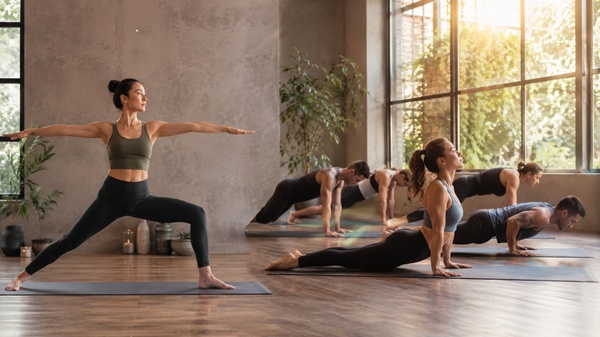
You’ll often see the terms Hatha and Vinyasa side by side on yoga studio schedules, which makes many people think they’re completely different systems. In reality, Hatha is the broader category that includes nearly every form of physical yoga practiced today, Vinyasa included. Historically, Hatha described any practice using physical postures, or asanas, to prepare the body for meditation. Over time, though, modern studios began using the term Hatha for slower, alignment-based classes that stress precision and mindful holds.
Vinyasa developed as a subset of Hatha that emphasizes continuous movement linked with breath. Each transition connects to an inhalation or exhalation, forming a rhythmic flow that feels lively and energizing. Because of that, many now see Hatha and Vinyasa as opposites, stillness versus movement, but that’s not quite accurate.
Both share the same roots, poses, and attention to breath. Their main difference lies in pacing and sequencing, not philosophy or purpose. Slow-flow Vinyasa classes can look a lot like Hatha sessions, blurring the line between them. Seeing these styles as points on a spectrum rather than separate categories lets students adjust their practice according to energy and intention. This understanding sets the stage for exploring how each one feels in class.
How Each Style Feels in a Class
Hatha: Stillness, Holds, and Precision
A Hatha yoga class usually moves at a steady, deliberate pace, allowing time to settle into each posture and fine-tune alignment. Poses might be held from half a minute to several minutes, encouraging strength, flexibility, and endurance through stillness. The pauses between poses give space for breath awareness and integration, turning the session into moving meditation instead of a workout.
This slower rhythm makes Hatha perfect for beginners or anyone wanting stress relief and better balance. Teachers often focus on foundational postures like Mountain, Warrior, and Tree, guiding students to connect breath with subtle muscular engagement. The experience feels grounding and introspective, a chance to notice how every pose affects both body and mind. The result is a calm yet steady feeling of stability that prepares students for deeper flows ahead.
Vinyasa: Rhythm, Flow, and Heat
Vinyasa classes bring a striking contrast with their focus on constant motion. Each pose flows into the next in sync with the breath, one inhalation or exhalation per movement, forming a smooth rhythm that can feel almost like dancing. Sequences often include several rounds of Sun Salutations, creative transitions, and balance work that raises the heart rate.
This dynamic format builds internal heat and cardiovascular endurance, leaving students both energized and centered. Vinyasa functions more like cardio, while Hatha leans toward strength and flexibility training. The use of Ujjayi breath becomes a steady anchor amid the flow, helping maintain mental focus and stamina. Because of its athletic feel, Vinyasa appeals to those who want mindfulness with physical intensity, leading naturally into a closer look at how these two styles differ.
The Real Differences Between Hatha and Vinyasa Yoga
Both styles rely on the same foundational poses, but how they’re carried out is quite different. Hatha focuses on stillness, alignment, and mindful breathing, while Vinyasa thrives on fluid transitions and rhythmic flow. The table below shows their key distinctions:
| Aspect | Hatha Yoga | Vinyasa Yoga |
|---|---|---|
| Pace | Slow, deliberate | Fast, continuous |
| Breath Technique | Controlled, steady holds | Ujjayi breath guiding each movement |
| Class Flow | Pause between poses | Constant sequence with no breaks |
| Physical Demand | Moderate strength and balance | High stamina and cardio engagement |
| Energy Effect | Grounding and calming | Energizing and heat-building |
Hatha classes often follow a consistent structure, making them easier to learn and repeat. Vinyasa, on the other hand, can vary widely depending on the teacher’s creativity and sequencing choices. That unpredictability keeps things engaging but might challenge beginners who like routine.
Despite their differences, the two styles complement each other beautifully. Hatha refines alignment, enhancing the transitions in Vinyasa, while Vinyasa strengthens endurance for longer Hatha holds. Understanding these contrasts helps you align your yoga practice with your personal health and wellness goals.
Benefits That Actually Matter for Your Goals
Choosing between hatha yoga vs vinyasa yoga largely depends on what you’re hoping to achieve. Hatha yoga promotes flexibility, balance, and stress relief through controlled movement and mindful breathing. Its slower pacing encourages deeper stretching and muscle awareness, which can help ease tension and improve posture. For those wanting to quiet the mind and reconnect with the body, Hatha offers an approachable path toward calm strength.
Vinyasa yoga, by contrast, focuses on cardiovascular fitness, stamina, and calorie burn. The constant flow of movement raises the heart rate and builds endurance similar to moderate aerobic exercise. This makes it a favorite for practitioners interested in weight management, athletic training, or dynamic energy release. As one teacher puts it, Hatha feels like a stretching and flexibility workout, while Vinyasa delivers the intensity of cardio.
Both styles share overlapping benefits like sharper concentration, better breath control, and improved mood. Yet the results show up differently depending on pace and intensity. The key is matching your practice to your goals, whether grounding your energy through Hatha or fueling vitality through Vinyasa, before deciding how to start your journey.
Hatha vs Vinyasa for Beginners: Which One Should You Start With
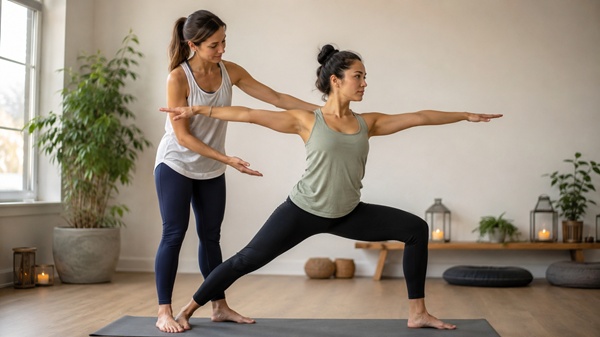
When weighing hatha vs vinyasa for beginners, most teachers suggest starting with Hatha. Its calm pace gives new students time to learn alignment, build strength safely, and develop breath awareness before adding complexity. Holding poses longer reinforces muscle memory and lowers the risk of injury in faster-paced classes.
That said, beginners who already have good fitness or a background in movement-based exercise may enjoy gentle or slow-flow Vinyasa sessions. These offer a touch of rhythm and breath coordination without too many demanding transitions. What matters most is finding an instructor who values form over speed and gives clear options for all levels.
New students should think about their temperament too. Those who like structure and mindfulness may find Hatha’s consistency soothing, while people drawn to variety and challenge might prefer Vinyasa. No matter where you start, both styles build body awareness and mental clarity. Once you’ve created a solid foundation, exploring the other style often feels like a natural next step, proving you don’t really have to choose just one.
Why You Don’t Have to Choose Just One
The debate around hatha yoga vs vinyasa yoga often misses the beauty of blending both. Experts point out that Hatha offers grounding, alignment, and precision, while Vinyasa brings motion, rhythm, and strength. Practicing both creates a balanced routine that supports flexibility, power, and cardiovascular health.
A practical way to combine them is to switch styles based on energy levels or daily needs. On high-energy days, a Vinyasa flow can lift motivation and stamina. When feeling stressed or low on energy, Hatha’s slower pace restores calm and focus. Many studios now feature hybrid classes that weave Hatha’s precision into Vinyasa’s fluid transitions, mirroring a growing trend toward integrated practice.
This mix not only prevents boredom but deepens your understanding of yoga’s full range. It lets you experience both the meditative quiet of stillness and the invigorating pulse of movement. Seeing Hatha and Vinyasa as complementary instead of competing helps you design a practice that shifts with your body, mood, and lifestyle, giving you the best of both worlds in one mindful flow.
In modern yoga education, exploring [how these two styles differ in energy and structure](https://www.healthline.com/health/exercise-fitness/hatha-vs-vinyasa) can also help instructors and students create sequences that fit both personal wellness and professional teaching goals.
Finding Balance in Your Flow
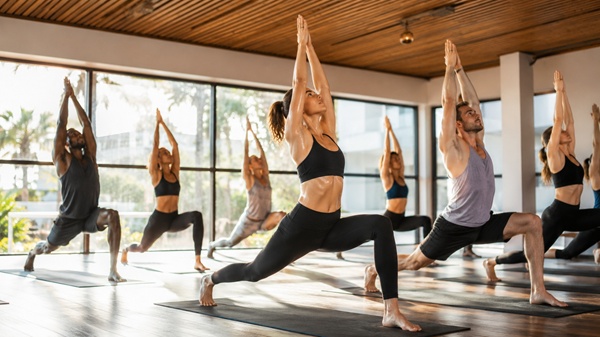
Looking closely at the relationship between Hatha and Vinyasa yoga reveals that they share the same essence but express it differently. Hatha invites you to slow down, refine your alignment, and nurture awareness through stillness, while Vinyasa channels energy through steady breath and motion. Rather than treating them as opposites, seeing them as connected approaches opens the door to a more sustainable and versatile practice. The most rewarding path often blends both, drawing on Hatha’s grounding focus when balance is needed and leaning into Vinyasa’s vitality when seeking energy. Whether you stick with one style or mix them, the goal stays the same: to build harmony between body, breath, and mind in a way that supports your evolving path on and off the mat.
FAQs about hatha vs vinyasa yoga
Is Hatha yoga harder than Vinyasa?
Hatha yoga is typically easier than Vinyasa because it moves more slowly, with longer holds on each pose, while Vinyasa is faster and more cardiovascular. The difficulty depends on your fitness and goals, Hatha builds strength through stillness and precision, while Vinyasa increases heart rate for a more athletic, cardio-like feel.
What is the hardest type of yoga?
The most commonly challenging yoga styles include Ashtanga, Bikram, Power Vinyasa, Rocket, and Yin Yoga, though what feels hardest depends on each person’s strength, flexibility, and focus. These approaches often require advanced endurance, heat tolerance, or deep mental discipline.
What is the healthiest type of yoga?
Hatha yoga is often considered best for general health since it combines movement and mindful breathing to align body, mind, and spirit while easing stress. Its slower pace and attention to alignment make it accessible for building strength and balance without overwhelming the nervous system.
Is Hatha yoga the same as Vinyasa?
Hatha and Vinyasa aren’t the same. Hatha is slower and more meditative with longer holds, while Vinyasa is faster and focuses on matching breath with continuous flow. Technically, Vinyasa is part of the Hatha family, but the main difference lies in pacing and consistency rather than the poses themselves.
What is the hardest yoga to learn?
Ashtanga, Bikram, Power Vinyasa, Rocket, and Yin Yoga are usually seen as the hardest to master. They call for serious endurance, flexibility, heat resilience, or the ability to hold intense poses for long periods.
Is Hatha yoga ok for beginners?
Yes, Hatha yoga is great for beginners because the pace is slower, giving time to focus on proper alignment and build strength gradually. The longer holds and rests between poses offer space to understand the body and develop a solid base before moving to faster styles.
Is Hatha yoga better for beginners than Vinyasa?
Hatha is generally better for newcomers since its slower rhythm and emphasis on alignment make it easier to learn good form and avoid injury. Vinyasa’s continuous flow and quick transitions can feel overwhelming for true beginners, though some may enjoy its energy.
Can you practice both Hatha and Vinyasa yoga?
Yes, and many do. Practicing both brings a well-rounded mix, Hatha grounds and aligns the body, while Vinyasa adds movement and intensity. Combining them helps build strength, flexibility, and cardiovascular endurance in one balanced routine.
What is the main difference in breathing between Hatha and Vinyasa?
In Vinyasa, one movement pairs with one breath, creating a steady flow. In Hatha, poses are held for several breaths, allowing deeper focus and awareness. Hatha uses slow, deliberate breathing, while Vinyasa relies on rhythmic Ujjayi breathing to maintain flow.
Are the poses the same in Hatha and Vinyasa yoga?
Both styles use many of the same core poses, but they’re done differently. Hatha holds poses longer for precision and stability, while Vinyasa links them together in smooth, continuous sequences. The asanas themselves are the same; the timing and transitions are what set them apart.